The adoption of Tron, the blockchain network founded by Justin Sun in 2017, as a primary payment method in cryptocurrency gambling occurred over a discrete five-year period beginning in 2019, and its prevalence today reflects a series of technical and regulatory developments that merit careful chronological examination.
The Bitcoin Era and Its Complications, 2013-2018
Bitcoin established the category of cryptocurrency gambling itself. SatoshiDice, launched in 2012 by Erik Voorhees, operated as an automated dice game on the Bitcoin blockchain, and it became the most-used application on Bitcoin by transaction count in its peak year. However, Bitcoin's design imposed genuine constraints. Transaction fees rose dramatically during periods of network congestion, making small wagers economically unviable. A bet of $10 could cost $5 or more in network fees. Settlement times, measured in blocks and thus in ten-minute intervals, made real-time gameplay feel sluggish compared to traditional online casinos. Bitcoin became increasingly the domain of high-value transactions and long-term storage, not micropayments and casino-scale gaming.
Ethereum and the Smart Contract Period, 2015-2017
Ethereum, deployed in July 2015, offered a different model. Smart contracts permitted more sophisticated game logic to be encoded directly on the blockchain. Operators like Edgeless Casino (2015) and others built casino games as smart contracts, and the novelty attracted technical enthusiasts. But Ethereum also faced scalability challenges. During the 2017 bull market, transaction fees climbed as the network became congested. Moreover, Ethereum's governance model included competing visions for the network's purpose, and some within the community expressed discomfort with gambling applications.
The Stablecoin Standardization, 2017-2019
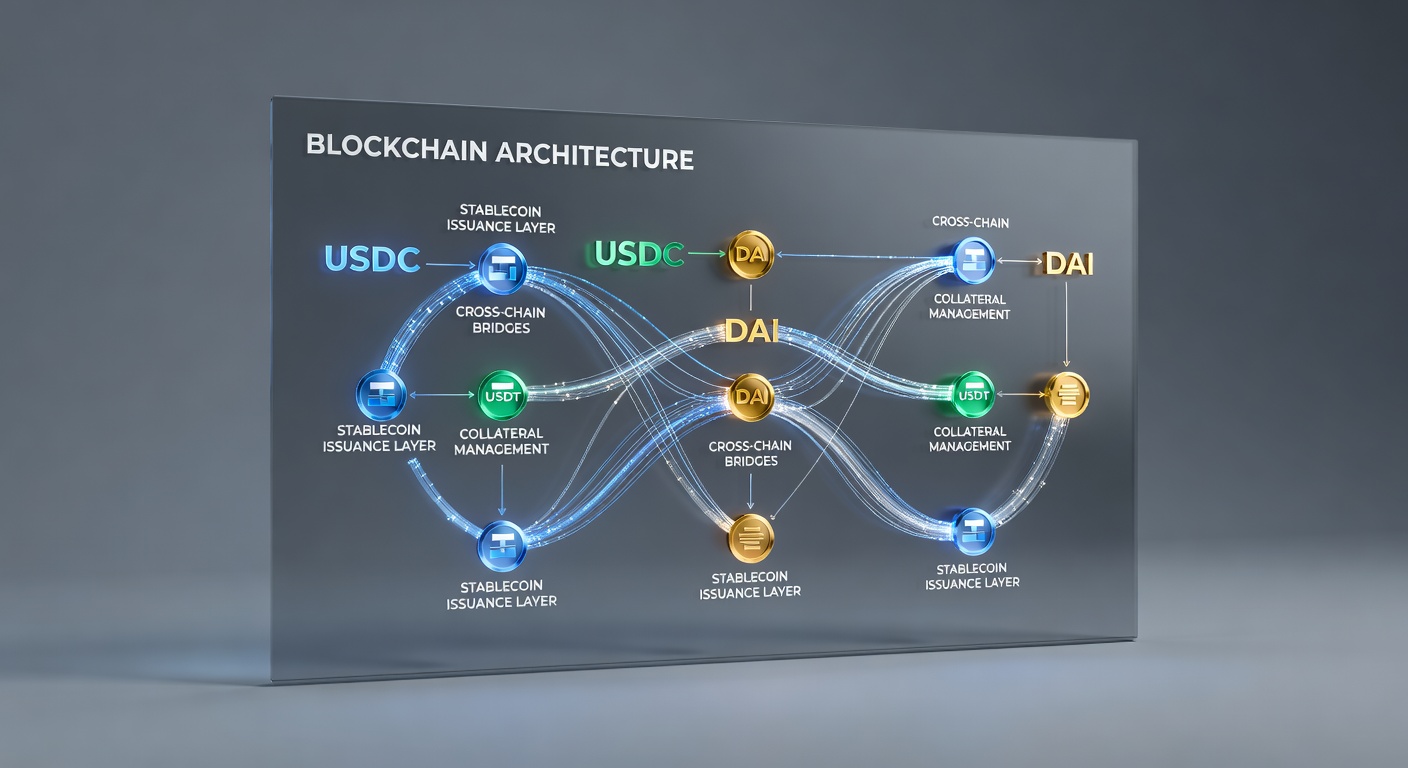
The introduction of Tether (USDT) in 2015, and its subsequent widespread adoption, solved a fundamental problem: cryptocurrency casinos required a stable unit of account. Betting with Bitcoin meant exposure to volatility on both sides of the wager. If Bitcoin rose 20 percent while you played, your house edge disappeared. Stablecoins, which track the US dollar at a 1:1 peg, eliminated this problem. Tether achieved network effects by being the earliest and most liquid stablecoin. By 2018-2019, USDT was available on most major blockchains.
Tron's Emergence as Infrastructure, 2019-2021
Tron, by 2019, was seeking a role in the broader blockchain ecosystem. Its founder had positioned the network as faster and cheaper than Ethereum. Transaction fees on Tron were measured in fractions of a cent. Settlement was near-immediate. When Tether issued USDT on the Tron network in April 2019, the combination became economically compelling: you could bet stablecoins at minimal cost and near-zero latency. By 2020, during the pandemic-driven surge in online gambling, Tron-based USDT became the standard payment method for crypto casinos operating outside traditional regulatory frameworks. Operators like Stake, Rollbit, and others adopted Tron-USDT as their primary on-ramp.
Regulatory Context, 2020-Present
Parallel to these technical developments, regulatory pressure on Bitcoin and Ethereum as casino payment rails increased. The Financial Action Task Force (FATF) published guidance in 2019 recommending that financial institutions scrutinize cryptocurrency transactions. Exchanges began delisting gambling-related services. Traditional banking corridors closed. In this environment, Tron offered relative anonymity and lower friction. It was less monitored by compliance systems designed around Ethereum or Bitcoin.
Present State, 2024-2026
Tron today processes the majority of USDT transactions in the cryptocurrency gambling space. The network handles tens of millions of dollars daily in casino deposits and withdrawals. Its dominance reflects not superior technology, but rather the specific historical moment when it achieved a combination of low cost, fast settlement, stablecoin support, and regulatory invisibility that aligned with the needs of offshore gaming operators.
The technical story is clear, and it is not a story of accident. Tron did not win because of inherent superiority, but because it arrived at the right moment with the right combination of features, and because the larger regulatory environment made alternatives less practical. The history of gambling finance is often the history of regulatory displacement: operators move to whatever channels are cheapest and least scrutinized. Tron simply became that channel.