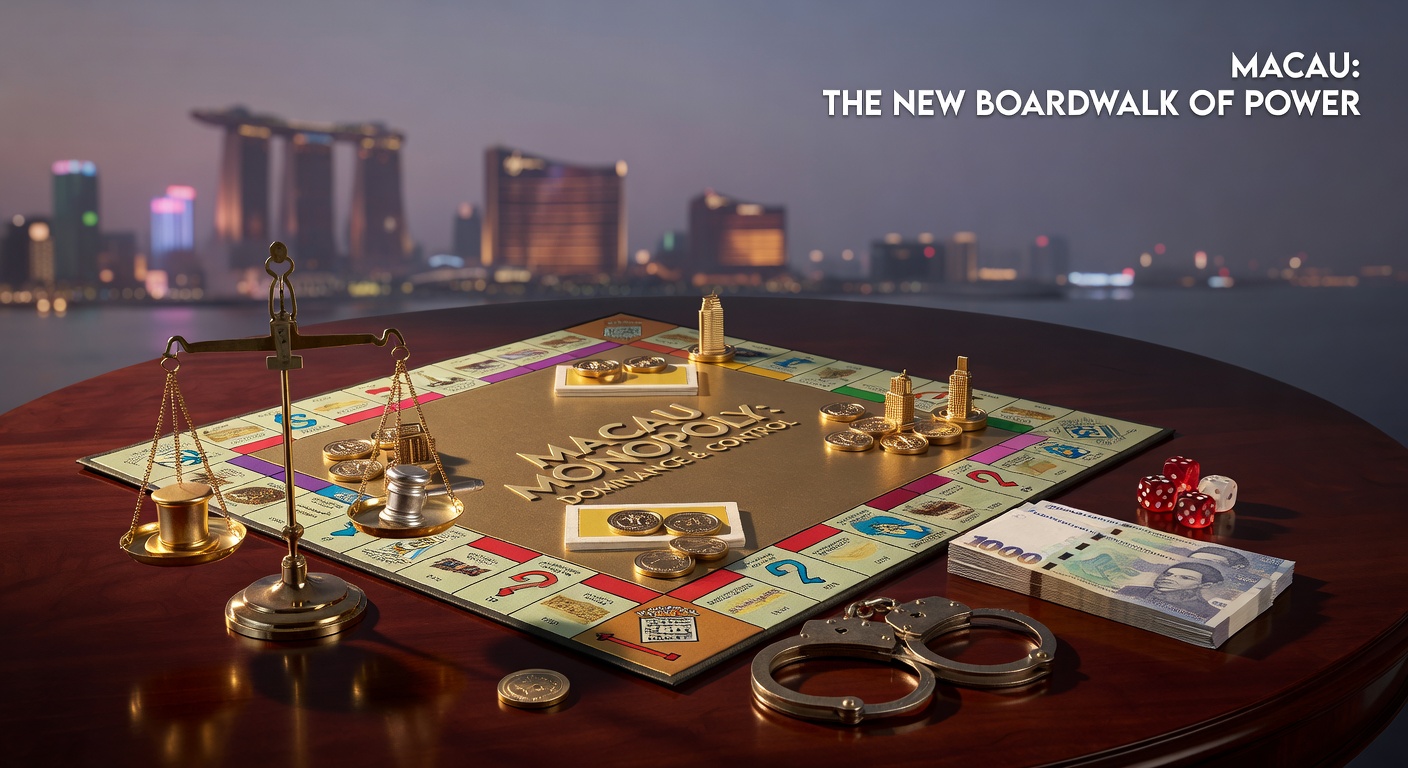
Stanley Ho obtained the gambling monopoly in Macau in 1962. For 40 years, until 2002, he was the only person legally allowed to operate casinos in Macau.
This is not a normal business story. This is about how government-granted monopolies work and how much money a monopoly can generate.
The Setup
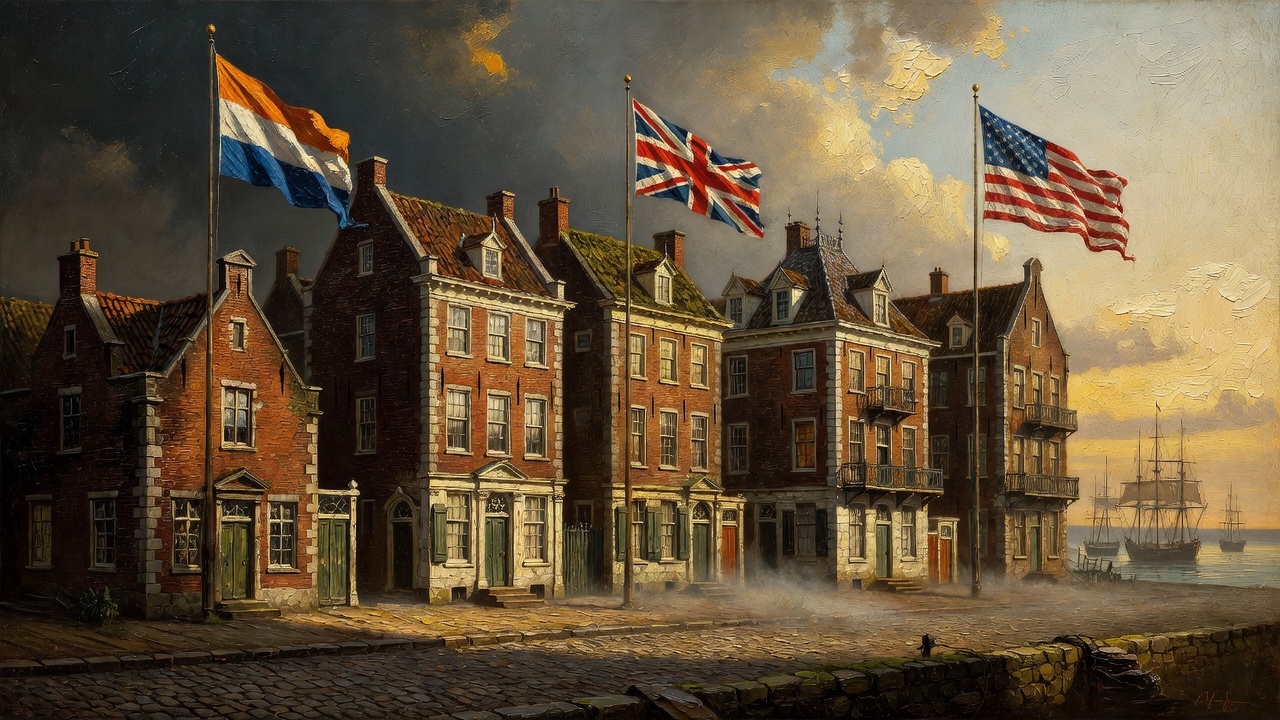
Macau was a Portuguese colony. Portugal wanted revenue. Stanley Ho offered to build casinos and pay the government a percentage of gaming revenue.
The Portuguese government agreed. Ho got the monopoly. Every casino in Macau had to be run by Ho or pay Ho a concession fee.
This is not free market. This is government-approved monopoly. But it is also rational from the Portuguese government's perspective: guaranteed revenue stream, minimal regulatory cost.
The Business Model
Ho controlled all casinos. This meant he could set house edges however he wanted. Blackjack at 2 percent house edge? Sure. Slots at 5 percent house edge? Only if Ho wanted.
Ho set game margins high. His margins were substantially higher than those in Las Vegas. This extracted more wealth from players.
Ho also controlled the dealers, the security, the restaurants, the hotels. A player in a Ho casino had no alternative. That player paid Ho's prices for everything.
The Revenue Model
Ho's revenue came from gaming margins plus everything else. You lost money on the blackjack table, then paid Ho's markup on your hotel room and Ho's markup on your dinner.
More importantly, Ho controlled high-roller play. Macau's wealthiest players had nowhere else to go. They played at Ho's casinos and lost fortunes.
Ho's wealth came not from casual players but from ultra-high-stakes games. Businessmen, government officials, wealthy individuals playing for millions of dollars per hand.
Why No Competition
For 40 years, no one competed with Ho. The government maintained the monopoly. Why would the government give that up?
Answer: international pressure and Portugal's loss of political power in Macau. China regained control of Macau in 1999 and implemented a phased transition. By 2002, the monopoly ended.
China allowed other operators to enter. Ho's monopoly was over.
After the Monopoly Ended
When competition arrived, other operators like Las Vegas Sands entered Macau. Sands brought better games, better service, more aggressive player acquisition.
Ho's casinos were less competitive suddenly. His margins were higher than the market would bear. His hotels were aging.
Ho had to invest in updates and lower margins to compete. His profit went down. His market share went down.
What the Monopoly Teaches
The monopoly period showed what gambling looks like without competition. House edges are higher. Prices are higher. Service is worse. Players have no alternative.
When competition arrived, the market normalized. Ho had to become competitive or lose players.
This explains why regulation with competition (multiple licensed operators) produces better consumer outcomes than regulation with monopoly (single operator). Competition forces operators to be reasonable about house edges and margins.
Stanley Ho made an enormous fortune on the monopoly. He was a billionaire by the time it ended. But the monopoly extracted wealth from players in ways that open markets do not.
The Current Status
Ho is retired now. His family maintains interests in Macau casinos. But Ho himself is no longer active in the business.
Macau remains a gambling hub. Multiple operators compete. House edges are reasonably competitive with Las Vegas. The monopoly era seems almost historical now.
But the history of the monopoly is instructive. It shows how much excess profit is possible when competition is eliminated and how quickly that excess erodes when new competitors enter.