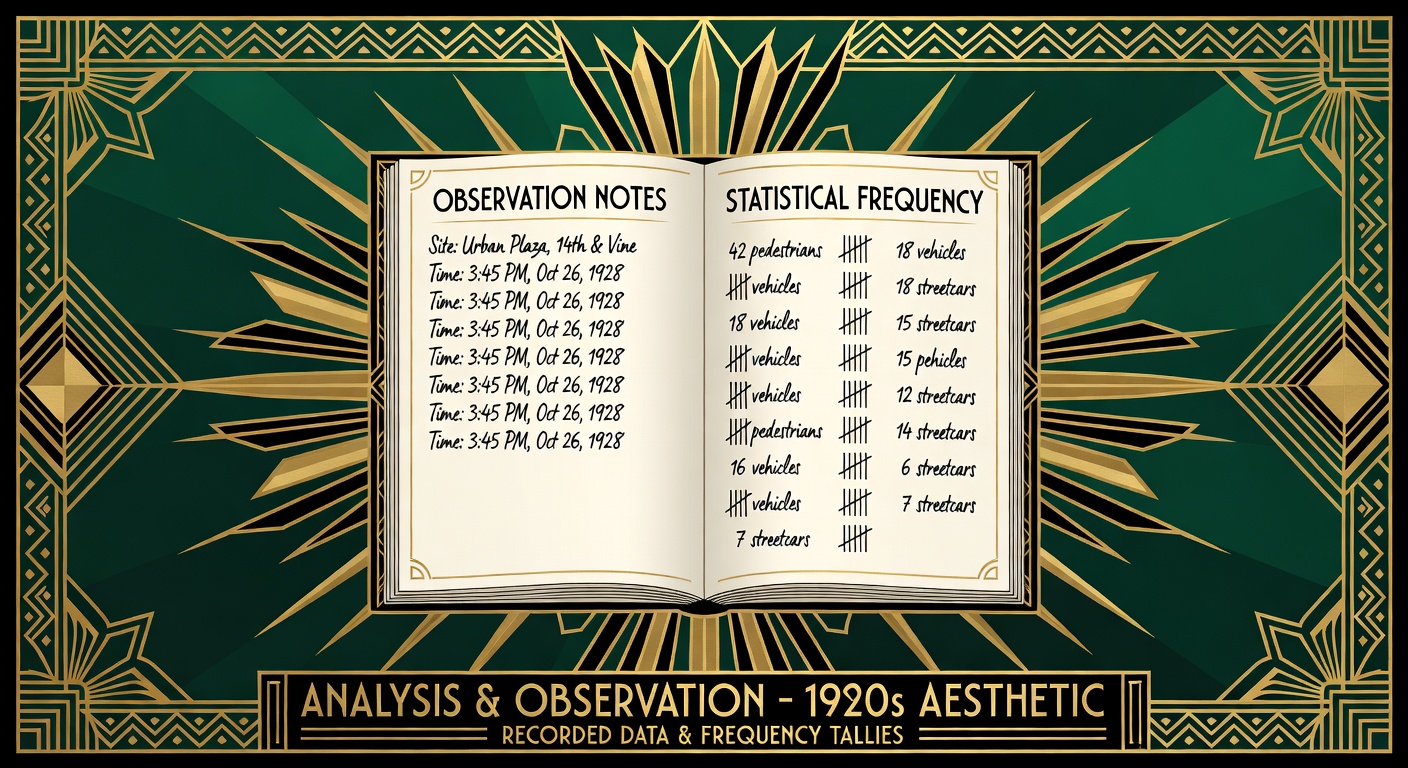
It was 1873 at the Casino de Monte Carlo. Joseph Jagger was an engineer from Lancashire. He did not look like a gambler. He was sixty years old. He had come to Monte Carlo because his daughter had asked him to.
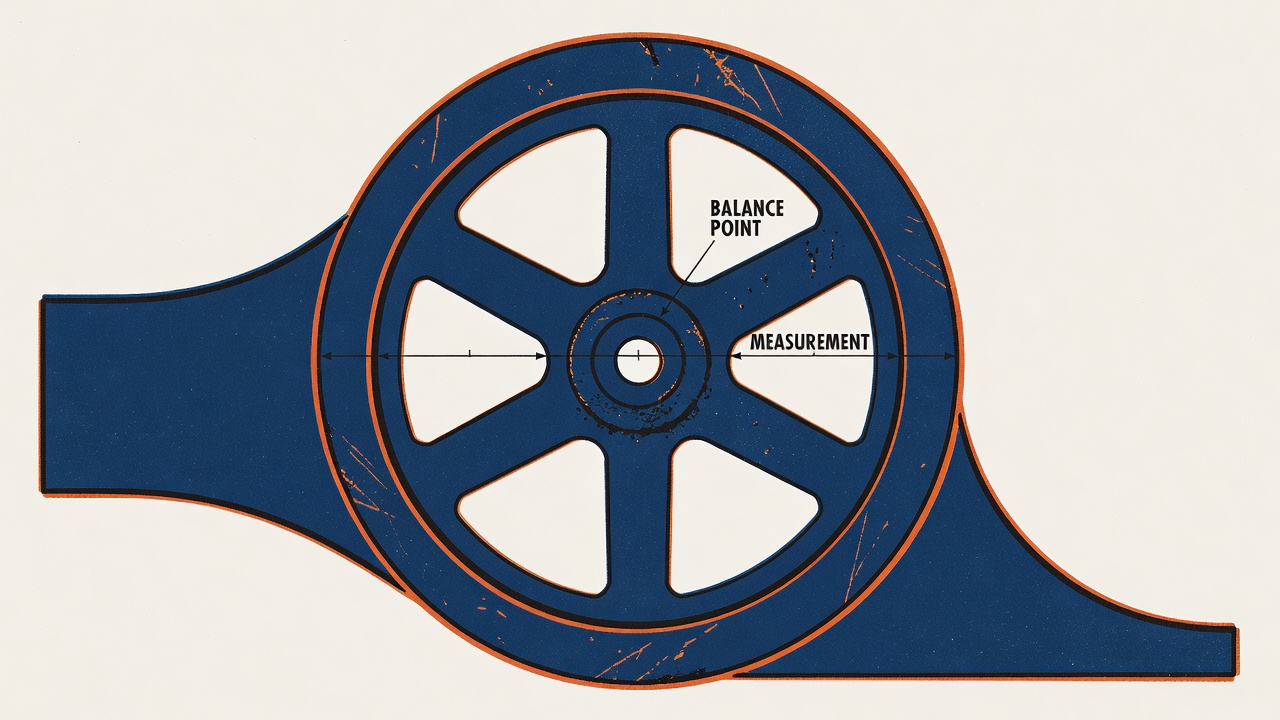
He watched the roulette wheel at Table 5. Every day. For one month straight. He sat there with a notebook, writing down every number that came up. Red, black, even, odd. The wheel was made of wood and metal. It had been spinning for ten years.
Jagger had a thought: No machine is perfect. No wheel is perfectly balanced. There has to be a bias. A wear pattern. Something.
After a month of observation, he had his data. Table 5 favored red. Not by much. But the numbers were clear. Over thousands of spins, red had come up more often than black. The casino's margin was supposed to be the house edge on the numbers 0 and 00. But this wheel was adding another edge for red.
The Exploitation
He hired an assistant. They would bet red. Only red. For as long as the bias held.
Jagger started with 100,000 francs. He won that in a week. The wheel was behaving exactly as his data predicted. He kept betting. He won another 100,000. Then another.
The casino noticed. They watched him. They did not know about the data. They just saw a man winning at Table 5, consistently, every day. After two weeks, Jagger had won 300,000 francs. That was an enormous sum in 1873. Enough to retire. Enough to live comfortably for the rest of his life.
But he kept playing.
The casino was panicking. A man was beating one of their wheels. This was not supposed to happen. They brought in technicians. They examined Table 5. They found a worn bearing in the wheel. Not much wear. But enough that it favored certain numbers.
They replaced the wheel.
Jagger came back the next day. He placed his bets on red. The wheel had changed. The bias was gone. He was now betting against a fair wheel with a house edge. He lost immediately. In two days, he lost 40,000 francs of his winnings.
He quit.
He walked away with 260,000 francs. That became about $50,000 USD at the time. He went home to Lancashire and lived well.
Why This Matters
Jagger proved that casinos are built on machines. Machines have flaws. If you can identify the flaw, you can have an advantage. That idea launched every form of advantage play that came after him. Card counting in blackjack grew from this. The idea that you can track the state of the game and have a statistical edge. Wheel biases. Dealer signatures. All of it traces back to Jagger sitting at a table with a notebook.
The casino's response was also important: they replaced the equipment. That became standard. Atlantic City casinos now rotate wheels constantly. They track wear. They know that any machine can develop a bias if you let it run long enough without maintenance.