Interac is Canada's digital answer to a question Americans never had to ask: how do you move money between accounts at different banks when nobody has a check anymore? The system is, and this is said with the fullness of genuine admiration, rather elegant. It's also the reason Canadian casino players have an advantage that Americans largely lack. They can deposit with a few clicks and none of the friction.
Think of Interac as Canada's secret handshake. A Canadian sits at a slot machine and wants to top up. They open their bank app. They select Interac e-Transfer. They send money to the casino's account. The money arrives inside an hour. No credit card. No PayPal overhead. No wait. This happens because, since 1985, Interac has been Canada's trusted translator between banks. It's infrastructure that works so well that most Canadians don't notice it exists.
How Interac Actually Works
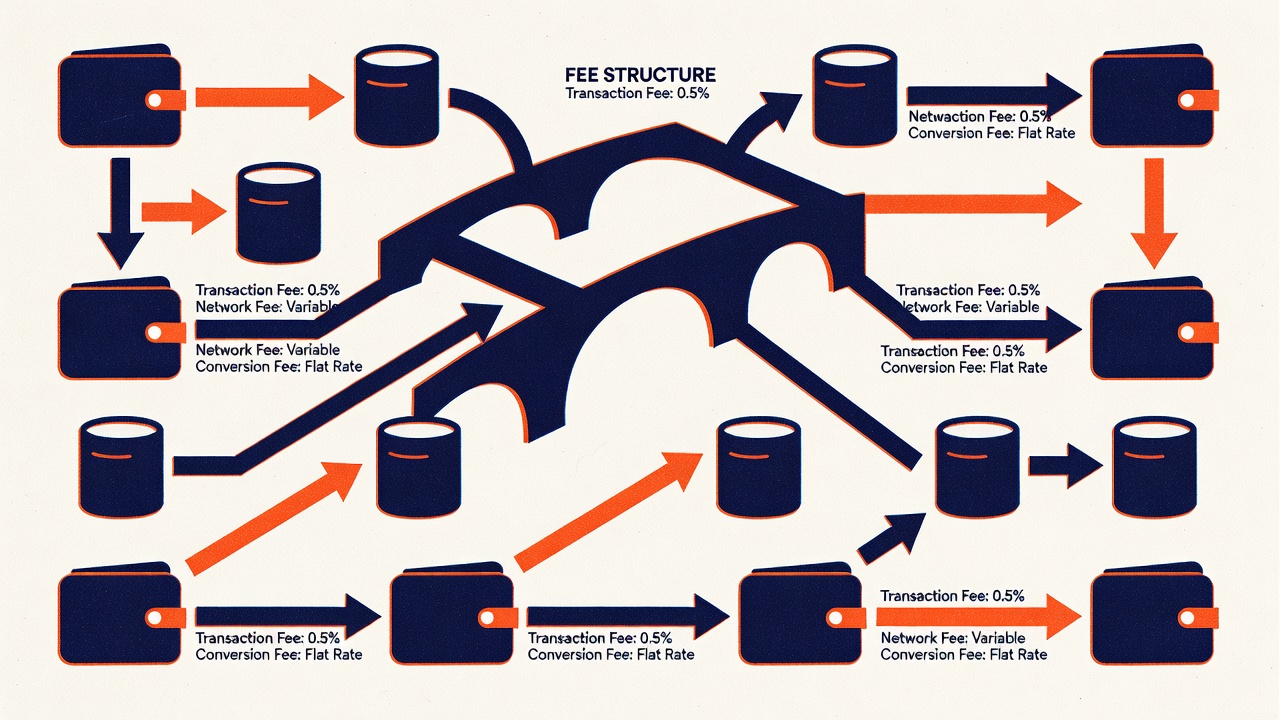
The mechanics are straightforward, which is rarer than it should be. Your bank is a member of the Interac network. The casino's settlement bank is also a member. When you initiate a transfer, you're sending a secure message from your bank to the casino's bank. The message contains your account details and the amount. Your bank confirms you have the funds. It moves them to a holding account. The casino's bank receives the notification. The money lands in the casino's account. Everyone in the chain is a certified participant.
The security is built in. You're not sending your account number across the internet. You're sending an encrypted instruction through a closed network. Every step is logged. If something goes wrong, there's a paper trail. Unlike some payment systems that treat disputes as a customer-service problem, Interac treats them as a network event. Someone always knows what happened.
Speed matters here. American players often wait 3-5 business days for a wire transfer. Canadians wait minutes. This difference compounds. If you're chasing a deposit match that expires at midnight, speed isn't a luxury. It's the only way to participate. Interac makes that possible. American casinos have learned to resent this, which is why some now slow-walk Interac withdrawals as a hidden way to discourage its use. They prefer credit cards, which give them more control over disputes.
The Canadian Casino Context
Canadian players have two legal pathways: licensed brick-and-mortar casinos in their provinces, and online casinos licensed by distant regulators (Curaçao, Malta, Kahnawake). Interac works for both. A player at a provincial casino can use Interac at an ATM. A player at an international online casino can use Interac e-Transfer.
This creates an interesting situation. Casinos can't require credit cards. Not every Canadian has one. Using Interac as a default payment method is both convenient and, incidentally, includes the player base that credit-card systems would exclude. Stake, as an example, accepts Interac because it's easier for them to license across Canadian provinces if they offer native Canadian payment methods.
Players in Ontario or British Columbia can deposit quickly and securely without needing a credit card, which means they stay longer and play more.
Regulators noticed this too. In Ontario, where iGaming was legalized in 2022, the Alcohol and Gaming Commission of Ontario requires operators to offer multiple deposit methods. Interac is always one of them. This isn't a suggestion. It's a requirement. So even new entrants to the Canadian market know they have to integrate Interac from day one.
Why Americans Don't Have This
Interac exists because Canada solved a problem early. In the 1980s, Canadian banks needed a way to clear payments between institutions without using checks. Interac was created as the solution. By the time online banking arrived, Interac was already embedded in the infrastructure. Adding it to e-commerce was simple.
America took a different path. Credit cards dominated. When online banking came, the infrastructure was already built around credit and debit cards. ACH transfers exist but they're slower and less consumer-friendly. PayPal filled some gaps but it's a private company with its own fees and friction. There's no unified Canadian-style system.
Some American states have casino deposits via ACH. It works but it's not fast. Nevada and New Jersey allow ACH transfers to regulated casinos, but the delay is 1-2 business days. Interac moves money in minutes. The technical difference is small but the user experience difference is vast.
For the Gambler Holding Interac
If you're Canadian and you gamble online, Interac is your path of least resistance. No credit card needed. No PayPal account. No Bitcoin conversion. You connect your bank account once during setup, and then every deposit is a couple of taps and a confirmation. The limits are typically high (500-2000 CAD per transaction). The fees are usually zero. The speed is immediate.
One note: Interac e-Transfer has a daily limit set by your bank (usually 2000-5000 CAD). If you want to deposit more, you have to space deposits across days. This isn't the casino's limitation. It's your bank's decision. When the online casino asks "Why can't I deposit 5000 right now?" the answer is on your banking app.
Withdrawals are slower. Some casinos take 3-5 business days to process Interac withdrawals. They're not being slow out of malice. The direction of money from casino to player requires additional verification. But many Canadian players have learned: deposit with Interac, withdraw quickly, because if you wait the money flows backward. Get it out when it's coming out.
The Unstated Advantage
Canada's payment infrastructure is younger than America's, which means it was designed with electronic transfers in mind. America's payment infrastructure is old, built on credit and debit cards, and nobody wants to rebuild it. This means Canadians have better digital payment experiences than Americans in many contexts, including gambling. Interac's speed and reliability are taken for granted in Canada the way credit card simplicity is in the States.
If you're a Canadian casino player, you've probably noticed this. You deposit in seconds and wonder why American friends complain about delays. Interac is the answer. It works so well that you barely notice it's there, which is exactly how infrastructure should work.