I built sports models for twelve years. Kelly criteria, true odds versus closing line value, expected value of each decision. Slot bonus rounds operate on the same principles: expected value is fixed in advance, and the player is presented with choices that feel like they matter but do not.
A pick-and-click bonus works like this. You trigger the bonus. The slot displays fifteen hidden tiles. You click tiles. Each tile reveals a prize: 50 credits, 200 credits, free spin, or a multiplier. You pick until you reveal a particular symbol (often a bomb or skull), which ends the bonus. The outcome feels like you have control. You do not.
The Pre-Determination Process
Here is what happens before you press the spin button. The RNG (random number generator) selects the final outcome of the entire bonus round. This outcome is determined at spin time, not at play time. If your bonus result is 800 credits, the outcome is locked in. The tiles are laid out such that no matter which tiles you click (barring reaching the terminator symbol), the bonus resolves to 800 credits.
This is how regulated slots operate. Gaming commissions in Nevada, the UK, and most jurisdictions require that the outcome of each wager is determined at the moment of spin, not during play. This prevents cheating and guarantees fairness in the mathematical sense.
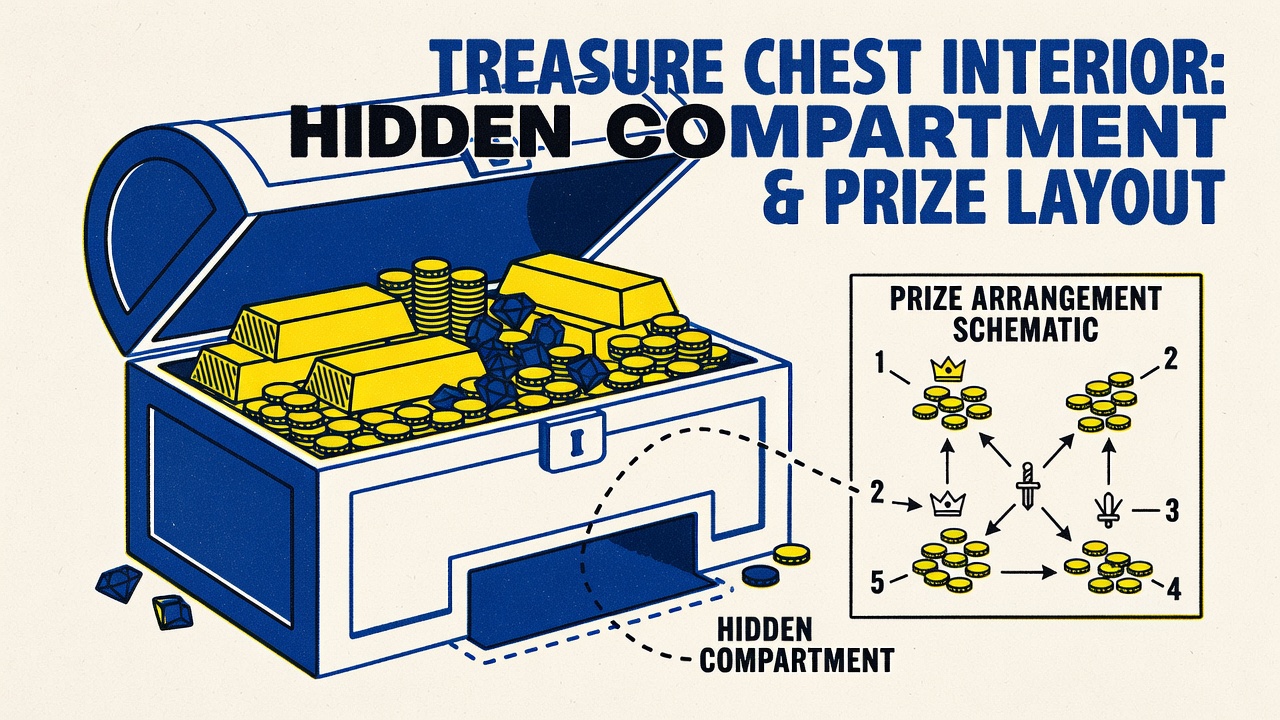
So the game arranges the board to be path-independent. Three tiles hide the terminator. Twelve tiles hide prizes. No matter which route you take through the twelve non-terminator tiles, the sum equals your pre-determined outcome.
The Illusion of Choice
This is where the design becomes interesting. The bonus feels like skill. You search for high-value tiles. You avoid low-value tiles. You try to avoid the terminator. But statistically, you cannot change the outcome through choice. The game is not a game; it is a narrative wrapper around a predetermined number.
Closing line value applies here. A player who feels like they played well (avoided bad tiles, found big tiles) has higher satisfaction even if the outcome was determined in advance. This is retention engineering. You leave feeling like you made good decisions, which makes you want to play again.
Conversely, a player who feels like they made poor decisions (hit the terminator too fast, found bad tiles) attributes the loss to themselves. This is loss aversion in action. They believe they can play better next time. They return to try again. The illusion of control drives engagement.
RTP and Prize Distribution
The bonus is part of the game's total RTP. Pragmatic Play, a major provider, publishes that a slot has 96 percent RTP. This includes all paths: regular spins, free spins, bonuses. If the game generates ten million dollars in player deposits, the house keeps 400,000 dollars across all game modes.
Pick bonuses are usually more generous than regular spins. The regular spin might have 94 percent RTP. The bonus might have 97 percent RTP. Why? Design intent. The bonus is the juice that makes the game sticky. Bonuses trigger less frequently, but when they trigger, they pay better. This creates a narrative beat: boring spins, then a big bonus that recoup losses.
The distribution of prizes within a pick bonus is designed to feel fair. You rarely see all ten tiles reveal 50 credits. You see a mix: two 50-credit tiles, three 100-credit tiles, one 500-credit tile, one multiplier. This variance feels natural. It also ensures that a lucky player (random clicking that finds the high values) and an unlucky player (clicking the terminator immediately) experience different sensations, even though their pre-determined outcome was the same.
Terminator Design
The terminator position matters. If the terminator is always in the last tile, picks feel short. The game wants variable pick counts. If the terminator is on average in the fifth or sixth tile, players feel like they got some gameplay out of the bonus. Pragmatic Live and Evolution have published academic studies on this. Session length and pick count correlate with player satisfaction.
Terminator position is often randomized within the algorithm, but this randomization happens before spin. The position and the path are both pre-determined. The slot just presents them as if they were real-time events.
What This Means for the Player
Fist, you cannot improve your pick-and-click performance through skill. Kelly staking, bankroll management, none of this matters. The outcome is determined at spin. Your picks are theater.
Second, the illusion of control is the whole design. The game succeeds if you feel like you played well. Whether you did is irrelevant. This is the psychological advantage. You will play longer and return more often if you believe you can improve.
Third, the RTP of the bonus is fixed. You will not beat it through optimal play. You will not beat it through lucky play. Over ten thousand spins of the same game, you will lose exactly the house percentage. The bonuses are part of that math.
Comparison to Skill-Based Games
This is distinct from skill-based casino games where decisions affect outcomes. Blackjack strategy matters. Video poker strategy matters. Pick-and-click bonuses do not. You are selecting from a pre-determined menu. The slot is following a hidden script.
The player chooses. The RNG chose first.