In the high-limit room at a Macau property, I worked the baccarat tables for fifteen years. The ritual of the squeeze, the weight of the cards, the way a whale would pause before turning their hand over. These details mattered. They created ceremony around the outcome.
Now I observe the younger dealers working the sportsbook terminals upstairs. They do not understand ceremony the same way. Their game is different. The outcome is determined not by cards or dice but by air pressure and wind velocity and the temperature of a summer afternoon in Arizona.
Baseball totals betting is the most weather-sensitive wager in sports. The total (over/under) on a baseball game can shift substantially based on conditions. A game at Coors Field in Denver, where the air is thin and carries less drag on a baseball, will trend toward higher totals. A game in sea-level San Francisco will trend lower. But day-to-day weather swings create volatility that bookmakers attempt to model and players attempt to exploit.
The Mechanics of Air and Distance
When a batter hits a baseball, the ball's distance depends on the angle of launch, the velocity off the bat, and the medium through which it travels. The medium is air. Denser air creates more drag. Less dense air creates less drag. A 400-foot fly ball at sea level becomes a 415-foot fly ball at high elevation. That same ball at high temperature and low humidity travels further than at cool temperature and high humidity.
Bookmakers know this. Professional sportsbooks run weather models and adjust totals accordingly. A daytime game in July in Phoenix might open over/under at 9.5 runs. An evening game in September in Seattle might open at 8.5. The difference is not arbitrary. It is a calculation of how weather affects the distance of batted balls, which affects the probability of home runs, which affects the final score.
Most casual bettors do not check the weather before wagering. They bet on the teams, the pitchers, the recent form. They glance at the projected score. They do not calculate how a 10-mile-per-hour wind blowing out to left field affects the probability of doubles down the line.
The Subtler Variables
Humidity affects air density. A humid night in Miami is a night when home runs are suppressed relative to the same temperature in dry conditions. A dry night in Arizona is a night when fly balls carry further. Most players gloss over this. They see "hot" and assume "more runs." The physics are more precise. Warm and dry is the perfect environment for maximizing distance. Warm and humid is the environment that suppresses it.
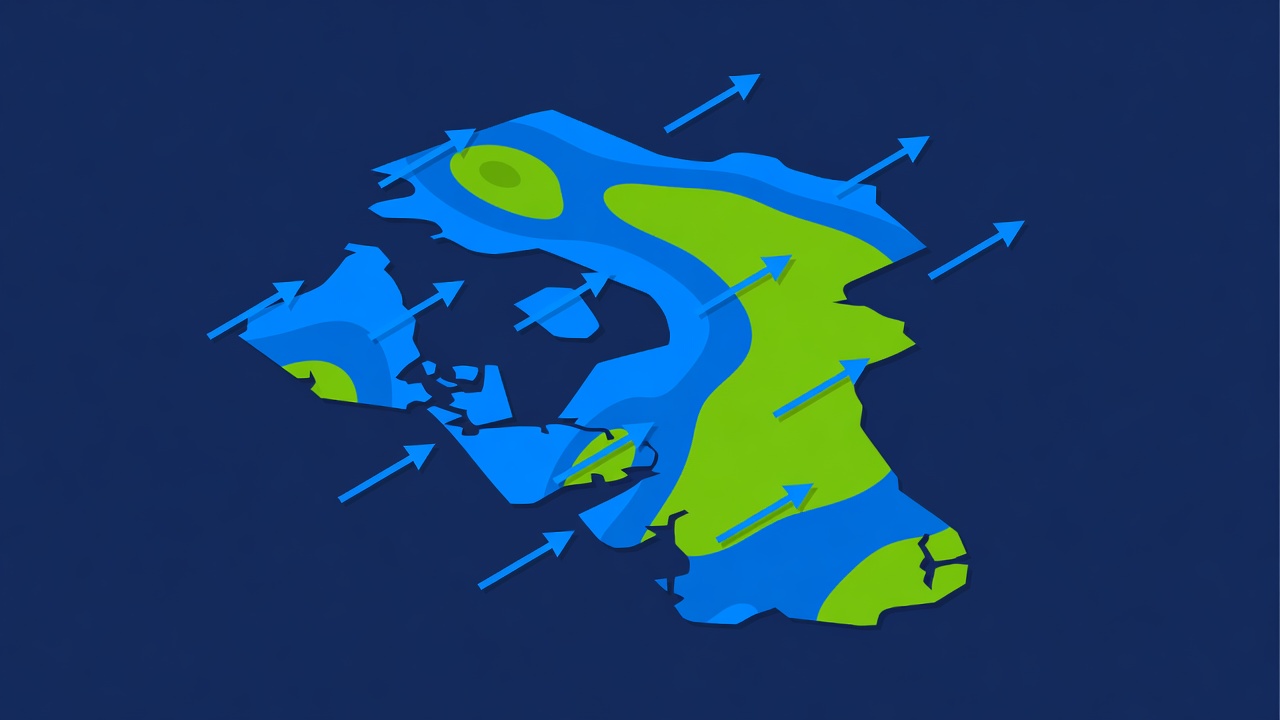
Wind direction matters more than wind speed at many stadiums. Yankee Stadium has a notorious left-field short porch. A wind blowing from left to right suppresses home runs to left. A wind blowing from right to left enhances them. At Fenway, the Green Monster makes the wind direction to right field critical. A bettor monitoring these specific directional patterns can find edges.
Daytime games tend toward lower scoring than evening games due to circadian rhythm effects on hitter performance and visibility. Players see pitches slightly better in daylight games early in the day, slightly worse in games played under lights. A game at noon plays different than a game at 8 PM, even if the weather is identical.
Wind speed of 10 miles per hour is not the same as wind speed of 15 miles per hour. The difference is five miles per hour, which is 50 percent more force.
The ritual at the baccarat table created the illusion that small details mattered. The squeeze, the hesitation, the ceremony, all of it was performance. The card was already determined. The ritual changed nothing about the outcome.
In baseball totals betting, the details actually matter. The weather is not performance. It is data. A player monitoring wind direction, humidity, temperature, and the specific ballpark effects can find wagers where the line has not yet adjusted to conditions. These are temporary edges. Once the weather information is public, the book adjusts. But for the hours between the weather forecast and the game start, there is opportunity.
I spent fifteen years squeezing cards for people who believed the ritual was important. I understand now that they were engaging in ceremony, not strategy. A sports bettor tracking weather variables is engaging in neither. They are engaging in mathematics. They are doing the work that the bookmakers do, trying to stay a step ahead of the line.
The irony is that this work is more honest than the baccarat ritual ever was. There is no performance in weather data. There is only signal.