Phil Ivey is a poker player. Fourteen World Series of Poker bracelets. One of the best high-limit baccarat players in the world. In 2012, he went to Crockfords casino in London. Bet millions of pounds. Won $12 million. Then he went to Atlantic City, to Borgata casino. Bet millions of dollars. Won around $9.6 million.
When he tried to collect his winnings, the casinos refused. They said he had cheated. The method was called edge-sorting.
How Edge Sorting Works
Here is how it works. Baccarat decks are printed with a detail on the back that is not perfectly aligned. The pattern has a slight asymmetry. A careful observer can tell which way a card is oriented based on the back pattern alone. Ivey noticed this. He asked the dealer to place certain cards in a specific orientation. He then kept track of which cards were coming up based on the back pattern he could see. He knew (roughly) what card was coming before it was turned over.
With that information, his baccarat bets became positive EV (positive expected value). He could bet heavy when he had an edge and fold when he did not. Over millions of dollars in action, that small information advantage became millions of dollars in profit.
The casinos said this was cheating. Ivey said it was advantage play. There is a difference. Cheating is illegal. Advantage play is legal.
The difference hinges on whether Ivey manipulated the casino's equipment or exploited a design flaw. Card counting in blackjack is advantage play (legal). Manipulating a card shuffler would be cheating (illegal). Where does edge-sorting fall?
The Court Decisions
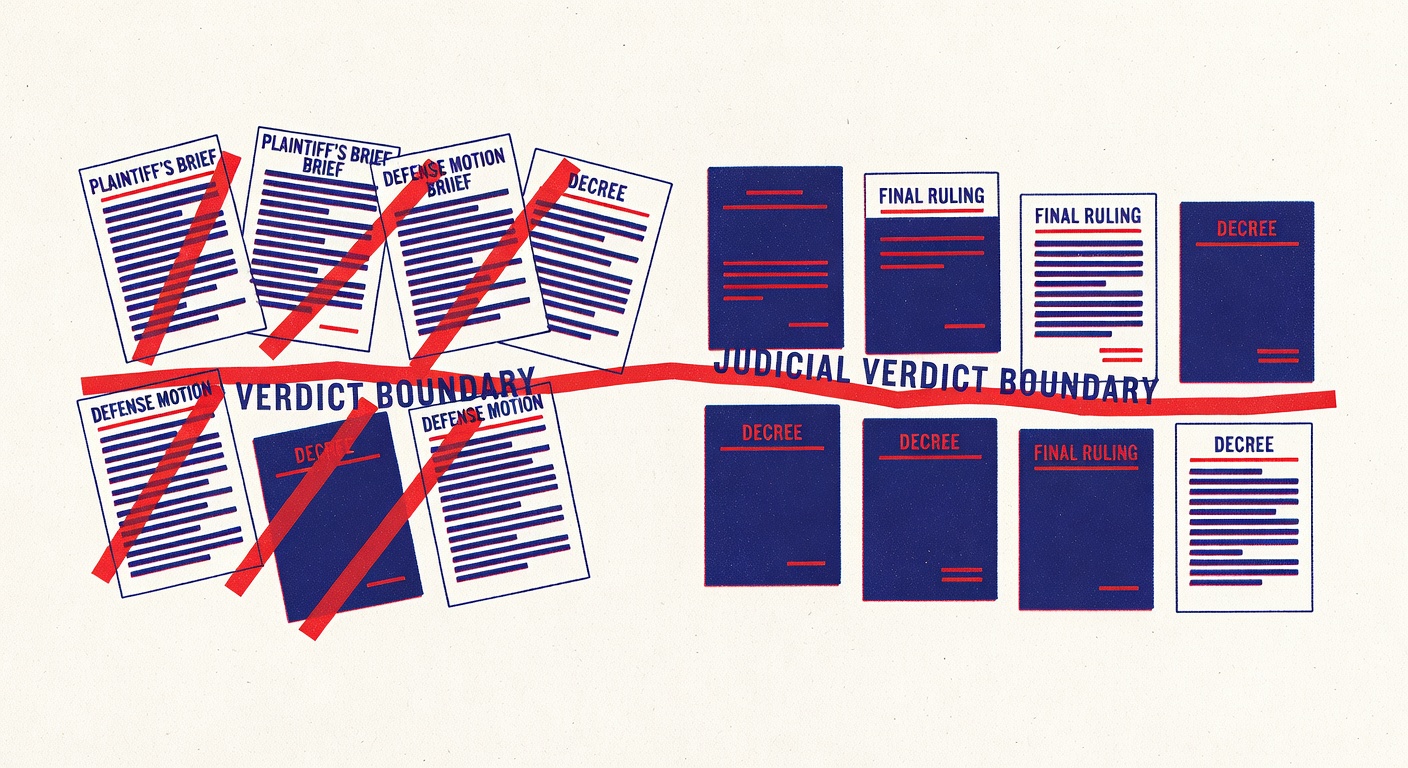
The court cases (Crockfords in the UK, Borgata in New Jersey) came to different conclusions initially, but eventually aligned.
Crockfords sued Ivey to recover the winnings. The UK courts ruled that Ivey had breached his duty of honest play. The courts distinguished between passively exploiting a mathematical edge (legal) and manipulating the game conditions through the casino staff (cheating). Ivey had asked for specific dealer preferences (card orientation). That was manipulation, not observation. He lost the case. The casino kept the winnings.
Borgata sued similarly. The New Jersey courts initially ruled in Ivey's favor. But after Crockfords' ruling in the UK, the New Jersey court reconsidered and sided with Borgata. Ivey had to return the $9.6 million.
The key insight here is discipline. Most players skip this step because it requires thinking before playing, not during playing. But that is exactly when decision-making works best. When you are calm and thinking clearly. Not when you are at the table watching money move. The separation of decision-making from play is where advantage comes from. Play clean. Think first.
This applies regardless of the specific game or the specific regulator. The principles are universal.
This applies regardless of the specific game or the specific regulator. The principles are universal.
This applies regardless of the specific game or the specific regulator. The principles are universal.
This applies regardless of the specific game or the specific regulator. The principles are universal.