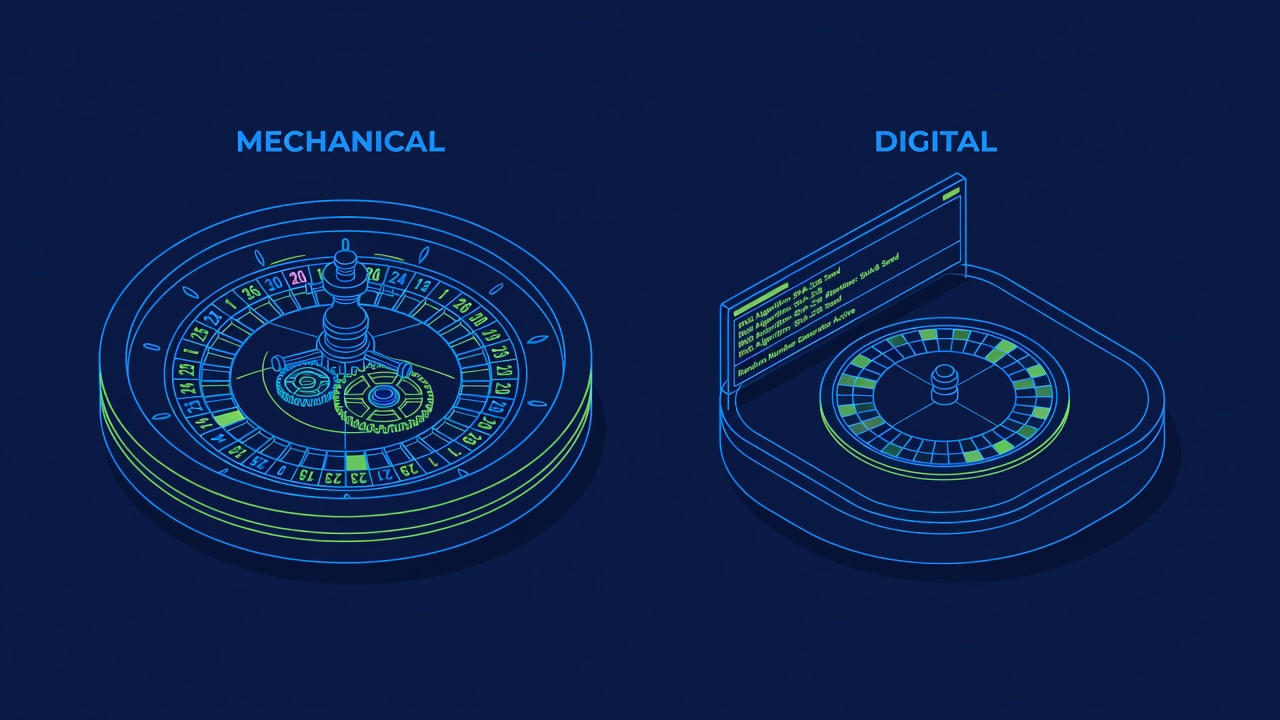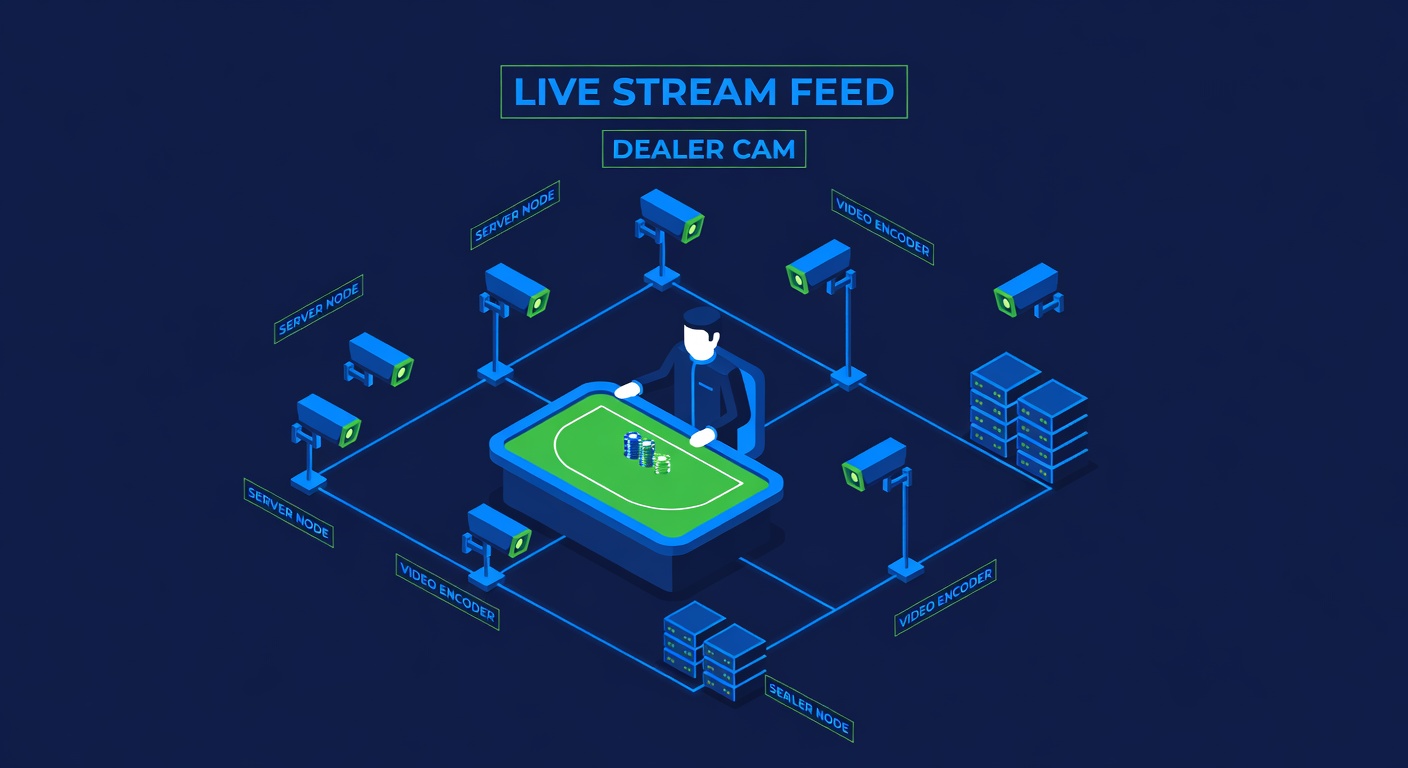
Live dealer gaming works like this: A camera points at a blackjack table or roulette wheel. The video stream goes through encoding, compression, and then over the internet to your device. You place bets through an interface. The action happens in real time. No random number generator. No hidden math. Just cards and a wheel and a human dealer on the other end.
The mechanics break down into three parts. First, the studio. Stake operates studios in Serbia and Manila. DraftKings uses studios in Ireland and elsewhere in Europe. These are purpose-built rooms. The tables are casino-grade. The cameras are mounted to capture every angle. Multiple angles, actually, because one camera can be blocked. The audio is two-way. You hear the dealer. The dealer hears you through a headset.
Second, the technology. The video feed is compressed in real time. This is not a recording. It's live broadcast. The compression has to be fast enough that the delay between you clicking "hit" and the dealer seeing it is under two seconds. If it's longer, the game feels laggy. If it's too much longer, there's a window for cheating. This is solved by processing the input on multiple servers in parallel and having a deterministic order for what happens when.
Third, the regulation and the deal. Every licensed live dealer operator (Stake, DraftKings, PlayUSA partners) has their studios inspected. The cameras are checked. The decks are checked. The shuffling machine is checked. Some studios use continuous shuffle machines (CSMs). Some use manual shuffles. CSMs are deterministic but trackable on video. Manual shuffles are random but slower. Either way, a regulator has to verify it.
the actual player experience
You log into the app. You see a list of tables. Each table has a minimum bet and a maximum bet. You click "join table." If there's an open seat (or if it's a games like Roulette or Baccarat where betting is at the table level, not seat-specific), you're in. The video loads. Usually 2-3 seconds. You place your bet on the digital interface. The dealer sees your bet appear on their screen. They proceed with the hand.
The stakes matter. A $5 minimum blackjack table is mostly tourists and small-stakes players. A $100 minimum table has people playing seriously. A $2,000 minimum table has whales. The dealers know the difference. They're faster and quieter at high limits.
One thing people don't understand: the dealer is not deciding what you see. The camera is. There are multiple angles. If you watch the same hand from multiple feeds, you see the cards go down in the same order. The system can't be manipulated from the dealer's side. The feed integrity is enforced by the software. If someone tries to splice the video or manipulate what you see, the stream corrupts and dies. The casino catches it immediately.
RTP on live games is the same as on RNG games. Blackjack pays 3 to 2. Roulette has the same edge. Baccarat has the same house edge. The difference is psychological. You trust it more because you see it. That's why live games cost more to operate. Studios run 24/7. Dealers get paid. Camera equipment costs money. The operator passes this cost to players through slightly higher stakes or slightly higher commission on Baccarat and Poker games.
Latency is the silent problem. If your internet is slow, you get a delay between your action and the dealer seeing it. This delays the entire table. Regulators have minimums on latency. Too much latency and the game is voided. This is why quality operators (Stake, MGM) require a decent connection. If you're on a weak wifi, you might not be able to join a table.
The chat feature is interesting. You can usually chat with other players at the table. Some tables have a "mute chat" option for high-limit games. The operators can see all chat. If someone is abusive or trying to angle-shoot, they're flagged. Some operators have strict rules. Some don't care. This varies.
finally, collusion. Can two players collude in live Baccarat to split a win? Technically yes. In practice, the operators watch for it. Betting patterns, timing, repeated players at the same table. Pattern recognition software flags suspicious behavior. Not foolproof, but it's a defense.
live dealer games are not a loophole in casino math. they're the same math with a video feed attached. the value is trust. you believe what you see more than you believe an algorithm. that belief is fair. it's also something the casinos charge for.