
Plinko on the Blockchain: How Provably Fair Plinko Works
By The BonusCasino Counter3 min read
The blockchain version of Plinko claims transparency. Does the technology deliver what the marketing promises?
Plinko, that simple game of dropping a ball down a pegged board to determine its landing position, has become the digital equivalent of the penny dropped into a pachinko machine. In recent years, it has migrated to blockchain platforms where operators claim it achieves something remarkable: genuine transparency. The ball falls, the pegs resist, the outcome determines the payout, and because the entire sequence is recorded on an immutable ledger, no house trickery can occur. Or so the marketing insists.
The reality is more complex than the claims, though the technology itself is genuinely interesting. To understand how provably fair Plinko works, one must separate the mechanism from the theatre surrounding it.
The Cryptographic Guarantee
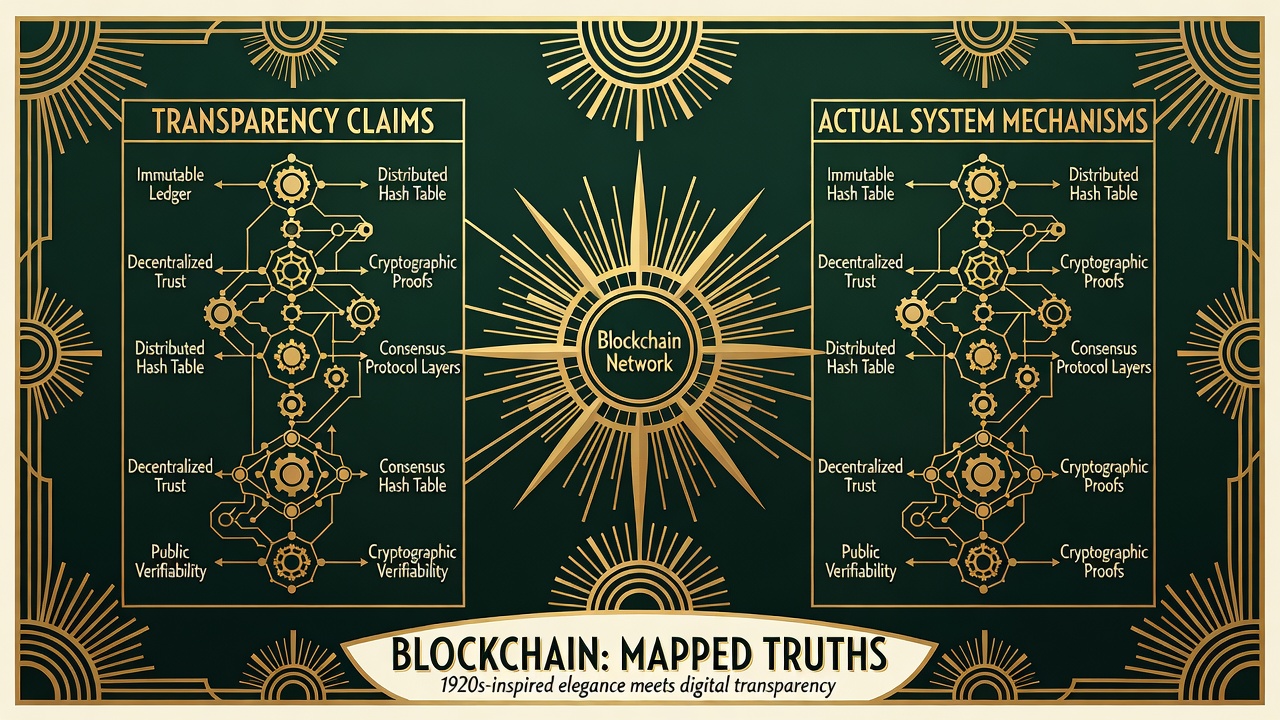
A traditional Plinko game played through a regulated casino is random because the casino is licensed by a regulator who tests the software. Trust is delegated to the licensing authority. A blockchain Plinko game purports to distribute that trust across the entire network. The operator cannot manipulate the outcome because the outcome is determined by a hash of verifiable information before the player even initiates the spin.
Here is the process: Before the round begins, the platform generates a seed value. This seed is hashed using cryptographic mathematics. The hash is published on the blockchain, publicly visible, immutable. The player then initiates a spin, providing their own seed or nonce. The platform combines the operator's pre-generated hash with the player's input and derives the ball's trajectory. Because the operator's seed was committed to before the player acted, the operator cannot reverse-engineer the outcome after seeing the player's choice.
This is mathematically genuine. If the operator publishes a hash, commits it to a blockchain, and then derives outcomes using that hash plus independent player input, the operator cannot cheat. The mathematics forbids it. The blockchain merely serves as the public record of that commitment.
Where the claim becomes fragile is in the assumptions around fairness. Provably fair means the outcome cannot be manipulated by the house. It does not mean the odds favour the player. The payout rates and ball dynamics can still be programmed to favour the operator. Provably fair is a guarantee of honesty, not generosity.
The House Edge Remains
Consider the payout structure. A Plinko board might have 16 rows of pegs and return to the bottom to various slots. The slots are worth different amounts. The operator can adjust the distance between pegs, the width of the gaps, and the payout percentages assigned to each slot. The randomness is provably fair. The odds are not provably generous.
Most blockchain Plinko games operate with a house edge between 2 and 5 percent, not dissimilar to regulated brick-and-mortar establishments. The difference is transparency. You can verify the fairness of every spin. You cannot verify, merely assume, that the edge is advertised correctly or that the payout schedule has not been altered since you last played.
There is also the question of whether verifying past spins changes anything. A player can see that a hundred previous spins were provably fair. But that does not guarantee that the next hundred spins will not occur on a platform whose operator is insolvent, whose wallet is frozen, or whose jurisdiction has collapsed. Trust in the mechanism is not the same as trust in the operator's solvency or legal status.
Provably fair technology guarantees mathematical honesty. It guarantees nothing about the operator's financial or legal standing.
Some blockchain Plinko operators operate under Curaçao eGaming licensure, which has created a situation where regulator oversight is lighter than in Malta or the United Kingdom. The KYC and AML protocols exist, but enforcement varies. A player might play on a provably fair platform that is nonetheless operating outside the jurisdiction in which the player resides, without clear taxation or consumer protection mechanisms.
There is something appealing about the transparency, the verifiable mathematics, the idea that one's skepticism can be satisfied by consulting the blockchain and confirming that the last three spins were actually random according to the published hash. For players accustomed to digital casino environments where they must trust a software provider's claims, blockchain Plinko represents a step toward observable fairness.
But observable fairness is not the same as consumer protection, operator stability, or legal clarity. It is a guarantee about one very specific thing: that the outcome was not predetermined by the house after witnessing the player's decision. It says nothing about whether the odds are what the operator claims, or whether the operator will exist next month to honour the win.
Written by
The BonusCasino Counter
The desk name on every BonusCasino guide, not a person. Guides are drafted with AI tools from terms and sources we read first, then checked by code against them before they go up.
How we write guidesBefore you claim
Multiply the bonus by the wagering requirement, then check the max-bet rule. If the daily play it needs is more than you'd bet anyway, skip the offer.