A slot goes viral when three things line up: a math model that produces rare but cinematic outcomes, a presentation layer that translates those outcomes into screenshots, and a distribution channel whose incentives align with showing you the screenshots. That is the whole story, and the industry has gotten very good at engineering all three at once.
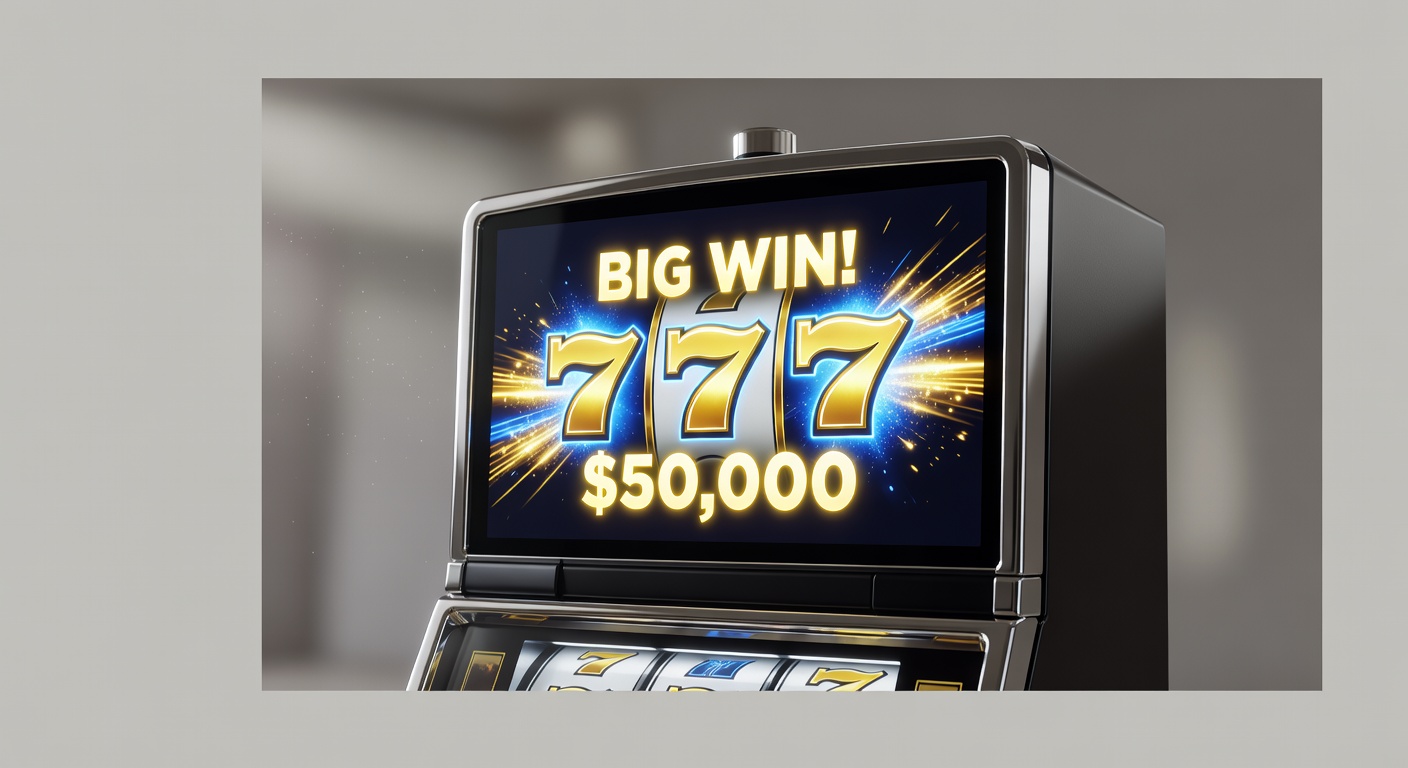
Start with the math. In the early 2010s, most popular online slots had volatility in what the industry broadly called medium territory, meaning hit frequencies around 20 to 30 percent and bonus rounds that paid somewhere in the 20x to 100x range of the triggering bet. Today, the hits that dominate streaming clips tend to come from games with published maximum wins of 5,000x, 10,000x, or in the case of certain Nolimit City and Hacksaw Gaming titles, 50,000x or more. These numbers are not trivia. They are the shape of the probability distribution, and they are chosen deliberately. A 50,000x game is, by construction, a game where the average session is worse than a 500x game (the house edge is the same or higher), but the tail is vastly more interesting (which is what gets filmed).
The Mechanical Hooks
If you look at what goes viral, the same design primitives appear again and again. Cluster pays replace traditional paylines with groups of adjacent matching symbols, which produces chain reactions on screen, which reads as momentum to a viewer even when the math is unchanged. Multipliers that compound inside a bonus round create a variable that can, in principle, spike to numbers like 20,000x during the feature itself. Bonus buys, where a player pays 50x or 100x the base bet to skip directly to the feature, collapse a two-hour grind into a thirty-second video (and, not incidentally, accelerate the rate at which a streamer can produce content).
The designs share a property that is worth naming. They produce a distribution of bonus-round outcomes with a long, fat right tail and a much larger left tail of small or zero wins. In classical gambling terms, this is high-variance play. In entertainment terms, this is called content. A game whose bonus round reliably returns 30x to 80x is boring to watch, because you already know what is going to happen (a small win, or your money back). A game whose bonus round returns zero 40 percent of the time and occasionally returns 10,000x is genuinely uncertain for as long as it takes to resolve. The industry has correctly identified that the second shape is the one that fills a clip bin.
Themes as Distribution, Not Decoration
The theme of a viral slot is doing more work than it looks like. Gates of Olympus, Sweet Bonanza, Money Train 3, San Quentin, Dead or Alive 2: these are not arbitrary skins. They are chosen to be instantly recognizable in a 15-second vertical video, to read clearly at small resolution, and in some cases to feed a meme format that already exists on the platform. Pragmatic Play did not make Zeus yell at the screen because their artists love Greek mythology. They did it because yelling Zeus is a thumbnail.
There is also a coordination effect that gets underrated. Once a title crosses some threshold of recognition (let us say 10,000 clips on the major aggregators), viewers start searching for that specific game rather than for slot content generally. Casinos notice. They feature it on the lobby front page. New players, who arrive via the featured-lobby route, find the game they saw on the stream. The loop closes. The game is now, in the crude but accurate industry sense, a hit.
The Streamer Channel
The third leg is the one that the industry would prefer you not look at too hard. A significant fraction of high-profile slot streaming is funded by the casino operators and, in many cases, by the game studios themselves, through some mixture of affiliate deals, direct sponsorships, and, in the more aggressive arrangements, free play or bonus balances that blur the line between the streamer's own money and the house's. The incentives are what they are. A streamer who is paid per referred depositor, or who is playing on a balance seeded by a sponsor, is making decisions that differ from a recreational player's in ways the recreational player rarely sees on screen.
This is not an accusation of fraud. It is an observation that the content a new player sees when they search for a game is systematically skewed toward the cinematic outcomes, because the economics of the content channel reward cinema. A ten-hour session that ends down 400 units does not get clipped. A 12,000x hit on the eighth bonus buy of the evening does. The viewer sees the hit and, in a perfectly human way, updates their probability estimate of hitting it themselves. The update is usually wrong, because the denominator is hidden.
What This Implies For The Player
If you are playing, a couple of things follow from the mechanism rather than from any moralizing. First, the games you see go viral are, by design, higher-variance than the average slot in the lobby, which means your expected bankroll path is wider in both directions and the median outcome is worse than the mean. Second, the clips you saw on the way in are a survivor-biased sample, not a random draw. Third, the bonus-buy option is not a shortcut to the fun part; it is a transfer of the same expected loss into a shorter timeframe, which some players like and some find that they liked the idea of more than the experience.
None of this makes viral slots a scam. They do, broadly, what they advertise: high-volatility play with the advertised return-to-player figure over a very long run. It is the very long run that does most of the work in that sentence. The industry has figured out how to build, promote, and distribute games whose outlier outcomes are genuinely spectacular, and the rest of us get to decide how much we are willing to pay for the chance at one.