I spent forty years looking at machines, studying their mechanics, predicting their behavior. Every machine had a logic. Slot machine mechanics apply the same principle to totals lines in sports betting: start with what you know to be true, adjust it until you find balance, and manage your exposure.
A sportsbook sets an over/under for an NFL game. They start with historical data: average points scored in recent games by these two teams, adjusted for injuries, weather, defensive matchups, home-field advantage. This is the mechanical part. The math is clean. If the dataset says the average game totals around 42 points, the book might open the line at 42 or 42.5 depending on juice distribution.
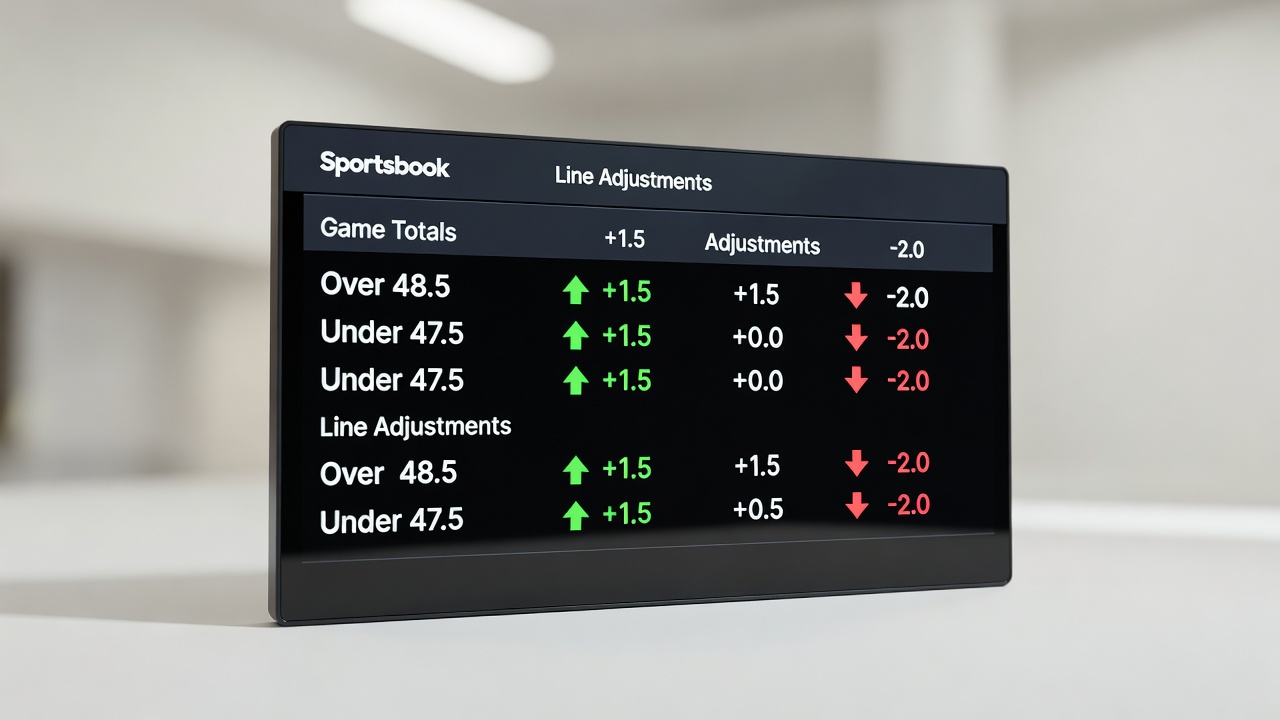
Then the adjustments begin. If one side (over or under) gets heavy action, the line moves. The book is not trying to predict the game's outcome. The book is trying to balance action. Equal money on both sides means the house keeps the vig regardless of outcome. This is the true mechanical goal.
When you see a total move from 42 to 43.5, you're seeing the sportsbook react to action, not new information. This is crucial to understand. The books don't have better information than the public; they have better information about which way the public is betting. That's different.
The Real Edge
Sharp money (professional bettors) sometimes move the line themselves. A sharp places a huge under bet at 42.5, and the book, knowing sharp money is more accurate than public money, adjusts down to 41.5. This is the book protecting itself. The line moves based on perception of bet quality, not based on updated team information.
Over/under games hit certain patterns predictably. Weather affects them (wind kills passing games, totals go down). Playoff games have different totals than regular season (intensity increases, totals go up slightly). Monday Night Football totals are higher than Sunday games (better teams, better matchups). The books know these patterns and they bake them in.
But here's what breaks the model: unexpected information. A starting quarterback gets injured the morning of the game, after the line is set. Now the line is wrong. The books will adjust, but there's a window where you can bet at the old total. Sharp money exploits this window. Public money usually doesn't because the public isn't reading injury reports before placing bets.
The Totals You Can Actually Beat
Totals in sports where volume is low (women's basketball, international soccer) are often mispriced simply because the books don't have enough action to balance exposure. They set a line that's basically a guess. If you have real analytical edge on low-volume sports, the totals might offer value. High-volume sports (NFL, NBA) have tighter lines because more people are betting them.
Another pattern: closing totals are usually more accurate than opening totals. By game time, the public money and sharp money have both influenced the line. The final number reflects more information. Betting at opening is betting when the line has less information baked in.
The honest assessment: totals are set to balance action, not to predict true outcomes. If the book accidentally opened a total that's too high, sharp money will bet under until it drops. Then the book starts the process over with the new line. It's not inefficiency; it's design. The books are not trying to predict games accurately; they're trying to extract maximum vig from both sides.