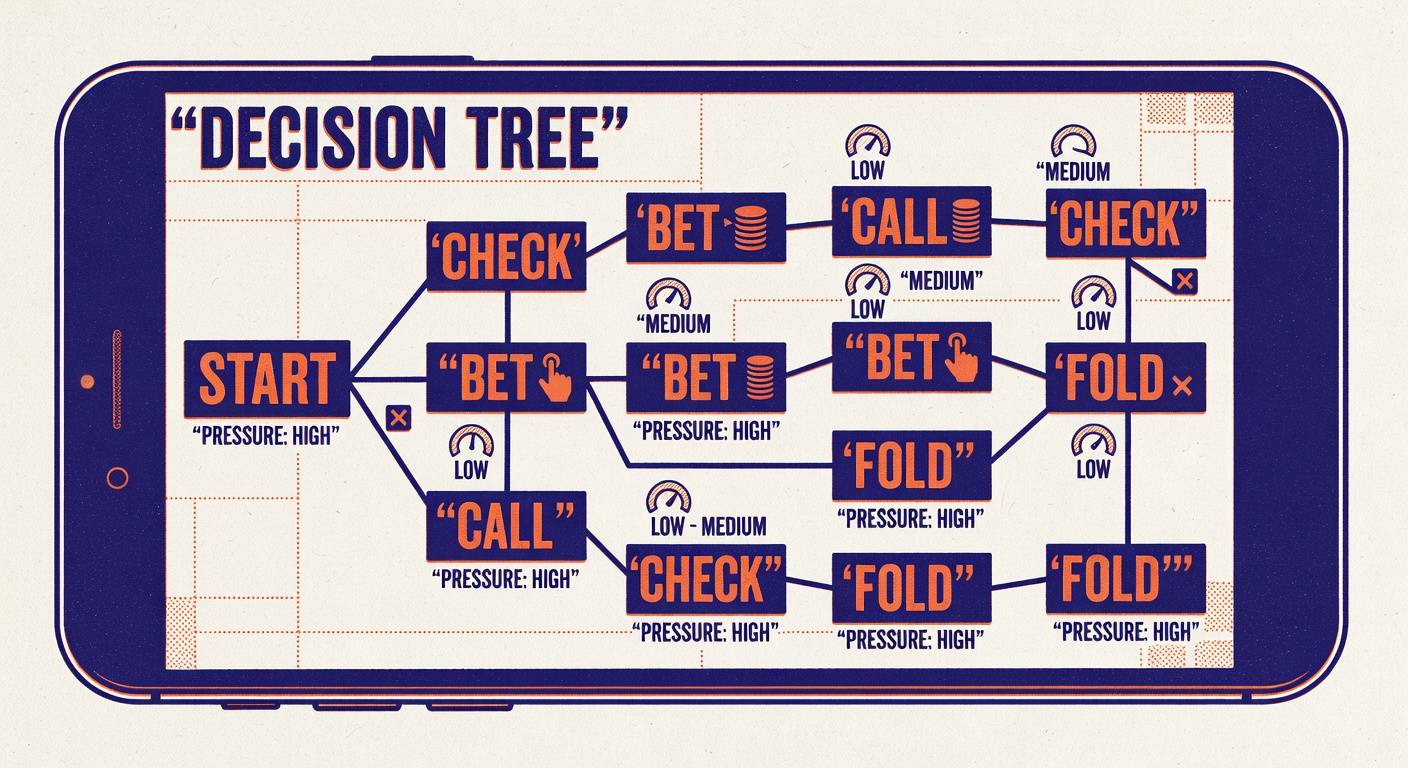
The mobile application notification is a peculiar modern phenomenon. A small alert appears on the screen of one's telephone, soliciting attention, prompting action. It is not a letter, which one might discard. It is not an email, which one might ignore. It is a direct interruption of the device's primary user, a little red badge that nags and persists until addressed.
Casino operators have embraced the notification with particular enthusiasm. A licensed operator like Bet365 or DraftKings sends hundreds of notifications annually to each of its registered users. These notifications serve a clear commercial purpose: to encourage the user to open the application and engage with the gambling product.
The notifications employ several psychological mechanisms. Some exploit what marketers term "loss aversion," suggesting to a dormant user that they are missing out. A user who has not played in three days receives a notification: "Exclusive bonus available for one hour only." The user faces the prospect of loss: the bonus expires. Other notifications deploy social proof. "John just won big on Starburst." The user sees that another person has won, and the psychological mechanisms that govern loss aversion and envy are activated.
The Mechanics of Push Notification
From a technical standpoint, push notifications are messages sent from a remote server to a user's mobile device. The operator controls the content, the timing, and the frequency. A user can disable notifications entirely, but the default setting on most applications is to permit them. Most users, having accepted the default, do not subsequently alter their notification settings.
The timing of notifications is not accidental. A sophisticated operator will observe when a user is most likely to engage with the application after receiving a notification. If a user typically opens the application between 7 and 9 PM, the operator will schedule critical promotional notifications to arrive during that window. The mechanics are optimized for response rate.
Regulatory Attention
Regulators have begun to scrutinise the use of push notifications in gambling applications. The UK Gambling Commission, for instance, has issued guidance suggesting that notifications designed to encourage play or exploit cognitive biases should be restricted. The guidance does not prohibit notifications entirely, but it requires that operators demonstrate responsible gambling intent in their notification strategy.
The difficulty lies in the distinction between informational notification and manipulative notification. An operator might argue that a notification alerting a user to the availability of a new game is merely informational. A regulator might counter that the timing and the messaging ("Don't miss out") render it manipulative.
In practice, most licensed operators have implemented systems whereby users can control notification frequency and type. A user can opt out of promotional notifications while retaining account notifications (balance updates, withdrawal confirmations). The system appears to respect user autonomy while permitting the operator to retain a communication channel.
Problem Gambling Considerations
For individuals with problem gambling tendencies, push notifications function as a trigger. The notification arrives, the user experiences a moment of temptation, and the user may relapse into gambling behaviour. Some treatment programs recommend that individuals in recovery from problem gambling uninstall gambling applications entirely, rendering notifications moot.
Other individuals manage notifications through a hybrid approach: they install the application but disable all notifications. They retain the ability to access their account if they wish, but the operator cannot interrupt them uninvited.
The efficacy of notification management as a harm reduction strategy is unclear. If an individual is determined to gamble, the absence of notifications will not prevent play. If an individual is resistant to gambling, the notifications may prove persuasive in moments of weakness.
Best Practice
For those who wish to use gambling applications whilst limiting exposure to persuasive notifications, the following approach merits consideration:
First, customise notification settings. Most applications permit granular control. Disable promotional notifications. Disable social notifications. Retain only critical account notifications.
Second, establish a personal notification policy independent of the application. Decide in advance how frequently you will access the application and for what purpose. If you have decided to limit access to weekends, instruct yourself not to open the application on weekdays, regardless of notifications received.
Third, consider removing the application from the home screen of your device. The additional step required to access it through the applications folder creates a friction barrier. This barrier is small, but small frictions can avert impulsive action.
Fourth, if notifications prove impossible to resist, consider disabling the application entirely and accessing the service through a web browser. Web applications are not supported by push notifications in the same manner as native applications. The barrier to engagement increases correspondingly.
The Operator Perspective
From the operator's perspective, the notification is an essential tool for user engagement. Operators operate in saturated markets where customer acquisition is expensive. Customer retention through engagement is comparatively inexpensive. The notification serves a retention function.
A conscientious operator will design notifications with consideration for responsible gambling principles. The notifications will provide genuine value (account alerts, game availability) rather than pure persuasion ("don't miss out"). The frequency will be calibrated to inform rather than harass.
Unfortunately, the economic incentive does not always align with conscientious design. An operator that sends more promotional notifications will derive more engagement. The temptation to optimise for engagement rather than responsible conduct is considerable.
Conclusion
Mobile notifications from casino applications are a tool whose use requires deliberation. They can be managed through application settings, personal policy, and environmental design. But their management requires awareness and intentionality. The default setting is to permit them, and the default human behaviour is to respond to them. For individuals without gambling vulnerabilities, this presents no particular difficulty. For individuals with vulnerabilities, notification management is a necessary component of responsible engagement with gambling products.