The Resorts Casino opened in Atlantic City in 1978. I was there. The whole boardwalk was coming alive again. You could smell the paint on the new buildings. The air had possibility.
I remember watching a baseball game at a sportsbook bar, and a guy next to me started talking about how Nolan Ryan being in the game meant certain things about the line. This was 1983. The idea that you could predict line movement based on a single person's scheduled appearance was kind of beautiful in a weird way.
That intuition was correct. It is still correct. A starting pitcher is maybe the single most important predictor of how a baseball betting line will move.
Why the Pitcher Matters
In baseball, one player can dominate a single game more than in any other sport. A starting pitcher throws 70 percent of the pitches in a game. He controls the pace. He controls which pitches are available. A great pitcher makes the opposing team's hitters look foolish.
A bad pitcher or an injured pitcher gets hit hard. The line recognizes this. When a favorite's ace pitcher is scheduled, the line assumes the favorite will win. When an underdog's ace pitcher is healthy, the line assumes the underdog has a decent chance.
This is not subtle. The line moves significantly based on pitcher health and matchup.
How the Line Adjusts
When the public learns that the favorite's best pitcher is scratched, the line moves immediately. Maybe the favorite was favored by six points yesterday. Today that pitcher is out and suddenly the line is three or four points. The public recognizes the difference.
When the underdog gets word that its ace is healthy for the first time in weeks, the line tightens. The underdog goes from 7 to 1 underdog to 5 to 1 underdog.
This adjustment happens hours or even days before the game. The sportsbooks have sophisticated models that account for pitcher matchup quality, ERA, recent performance, injuries, and home/away splits.
The Specific Pitcher Effects
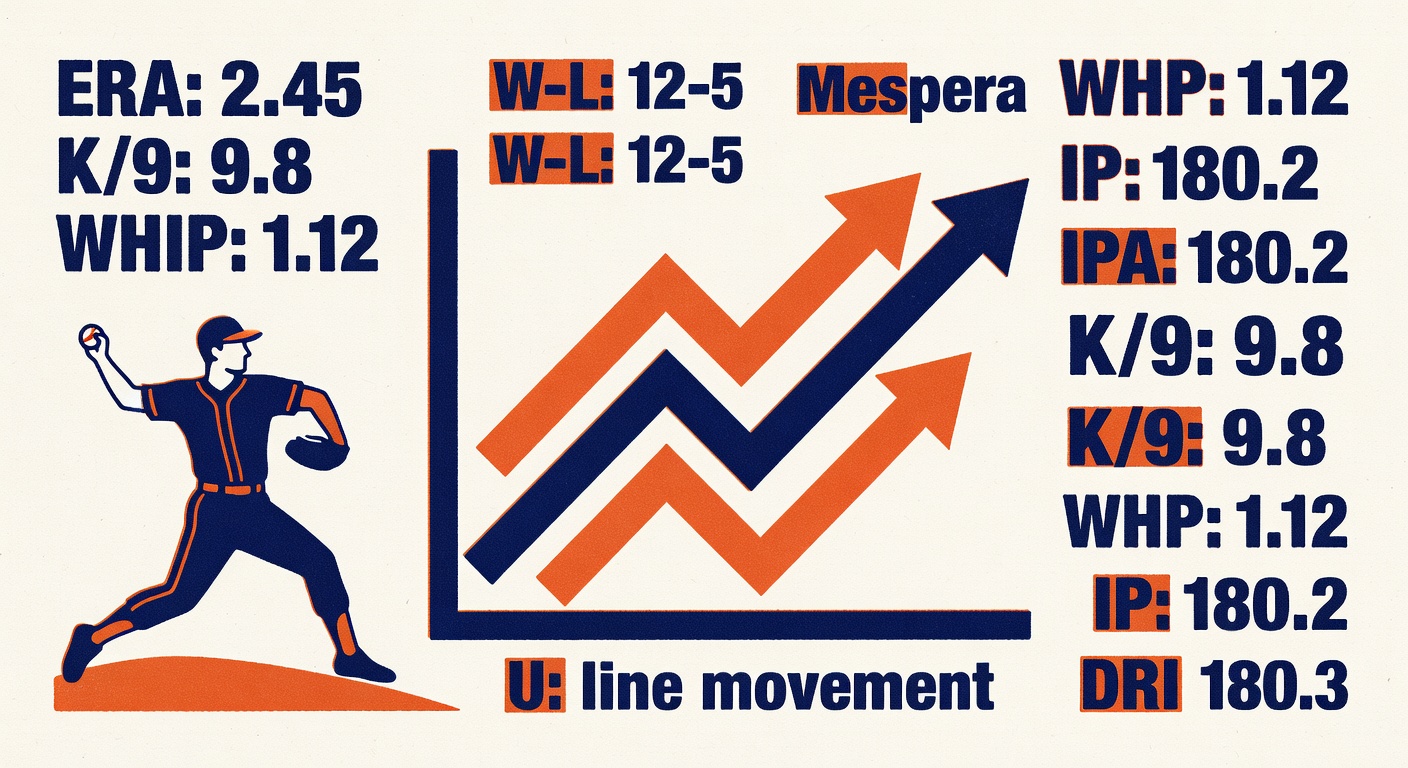
A truly elite pitcher like Clayton Kershaw or Shane Bieber can move a line three to four points by himself. This is not opinion. This is measuring the actual effect of the pitcher on the probability of the outcome.
For mid-tier pitchers, the effect is smaller but still measurable. A solid starting pitcher moves the line two to two and a half points.
For below-average pitchers or rookies, the effect is even more pronounced in the other direction. A team starting a rookie or a relief pitcher called up as an emergency starter becomes an underdog.
The Actual Numbers
Statistically, teams with their ace on the mound win at a higher rate than the same teams with their fourth starter on the mound. The effect size is around 5 to 8 percentage points depending on the quality of the pitcher.
So if a team's baseline win probability is 55 percent, and their ace starts instead of their fourth starter, that win probability jumps to 62 or 63 percent.
The line reflects this. When Clayton Kershaw pitched, his teams were favorites even on the road against decent opponents. When he did not pitch, those same teams were underdogs or only slight favorites.
For Bettors
The public understands this intellectually but frequently overvalues pitcher matchup or undervalues it depending on what information is newest.
When a star pitcher is suddenly out, the public overreacts. The line moves further than the data would suggest. A wise bettor can fade the public panic.
When a star pitcher returns from injury, the public is slow to adjust. The line has not fully corrected. A wise bettor can take advantage of the lag.
Then and Now
Back in 1983, when that guy at the bar explained pitcher effects to me, the concept was still new. Most sports bettors did not understand that one player could influence the entire line.
Now everyone understands it. The line already incorporates perfect information about pitcher health and matchup. There is no hidden value anymore.
But watching how the line moves around pitcher information is still beautiful in that same weird way. It is mathematics expressing itself through odds. It is probability made visible on the screen.