I remember when people said you could not trust playing cards over the telephone line. My husband used to say the same thing about sending money through email. He is gone now, twenty years, and the world he doubted has become ordinary.
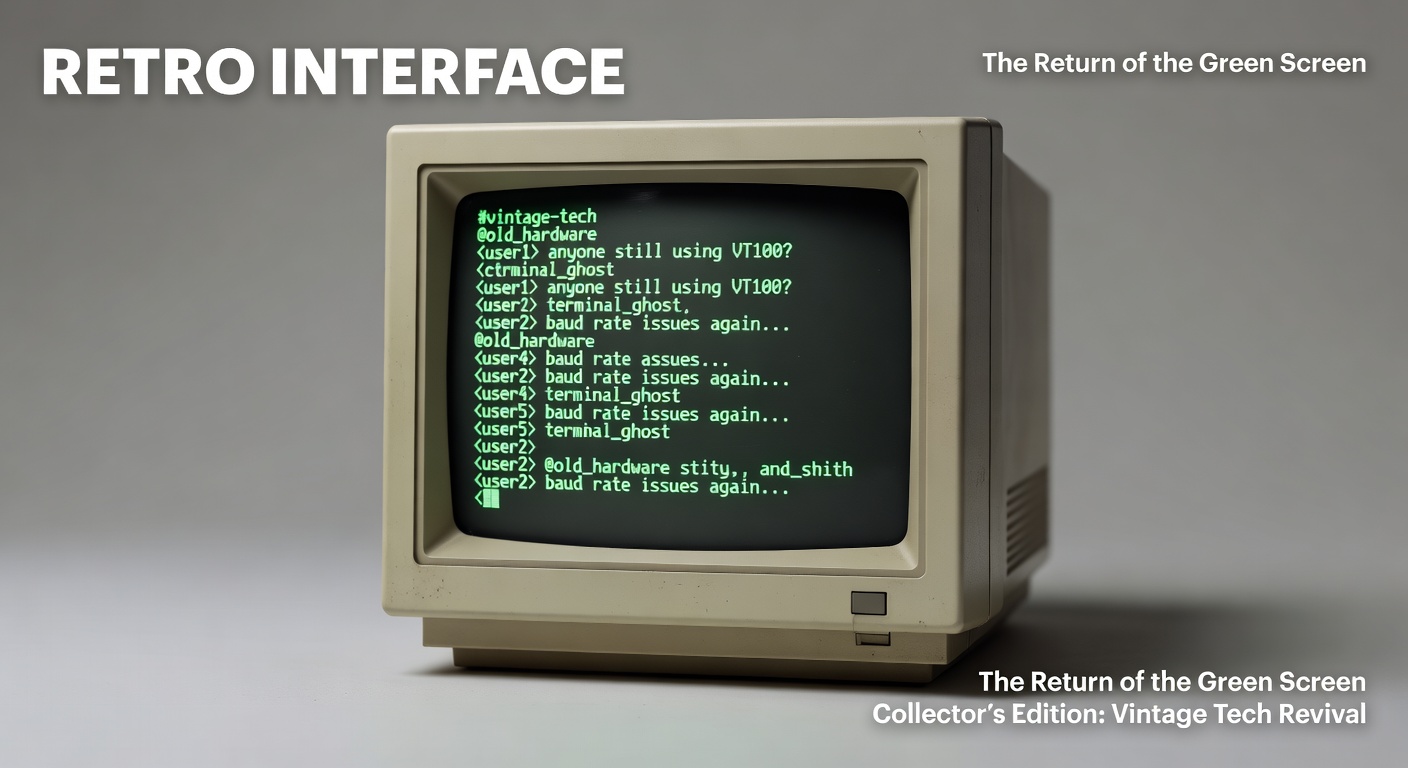
Online poker started in the dark. In 1998, a few programmers built a room on the internet, hidden on servers, where people could play poker against each other without meeting. They met on Internet Relay Chat, which was text-only, no pictures, just usernames and card values displayed in ASCII. You could not see faces. You could not shake hands. You could only look at the numbers and decide whether a stranger was lying.
The first site was called Planet Poker. It went online on January 1, 1998. No promotion. No splash. A few hundred people tried it and stayed because they had nowhere else to go. You could not play poker online legally then. You could not play poker online anywhere. But there it was, in a legal gray area, open to anyone with a modem.
The Underground Years
Poker rooms multiplied quietly. Paradise Poker came in 1999. Poker Stars in 2001. Fulltilt in 2004. None of them were in Nevada or Atlantic City. Most had operators who were not even American, which meant they did not have to ask for permission from anyone. The rooms offered real money games. The players were learning, some were professionals, most were people who read books about poker and thought they understood it.
The early rooms were small and strange. A game of Texas Hold'em might take forty minutes because half the players did not know what they were doing. The hand rankings had to be explained in chat. People would fold and then say, "Wait, what is a straight?" But they stayed. They came back every night. There was something about playing against invisible people that made the game feel important.
The money moved through wire transfers and credit cards and methods that made accountants nervous. Everyone knew it was not entirely legal, but the rooms were not shut down, so people played anyway. This is how human beings decide things are safe: not through careful reasoning, but through the absence of catastrophe. The fact that nothing bad had happened yet meant that it was probably fine.
Chris Moneymaker and the Turning Point
In May 2003, a 27-year-old accountant named Chris Moneymaker from Nashville won the World Series of Poker Main Event. He had qualified by winning a 39-dollar tournament online at PokerStars. His online nickname was "Moneymaker," which is his actual last name, and it stuck because of the incongruity. An accountant with that name winning the biggest poker tournament in the world felt like a joke that the universe had made real.
He beat a table full of professionals. He beat seasoned tournament players who had been grinding casinos for decades. He beat men who knew every tell, every angle, every way to read an opponent. He beat them because he had no fear of them, because he had grown up playing against unknowable people on the internet.
Moneymaker became famous. He went on ESPN. He won 2.5 million dollars. Suddenly, everyone wanted to know: could you really make money playing poker online? Could an ordinary person, someone with a regular job, someone without a Vegas poker room education, could they really make a living?
Moneymaker proved that the answer was yes. But more than that, he proved something about the nature of skill and information. In the past, professional poker was a closed guild. You apprenticed with someone. You hung around casinos. You learned the culture and the secrets through proximity. Now, you could read a book, play online every night against a thousand different opponents, and learn faster than the guild members could teach. The internet had democratized the game.
The Boom Years
Everyone wanted to play poker. Poker rooms needed servers to handle the load. PokerStars grew to handle a hundred thousand simultaneous players. Tournaments that would have required flying to Las Vegas could now be played from home. A person in Canada could sit at a table with players from Germany, Brazil, South Korea, and the Philippines.
The money was enormous. Real money, transferred in seconds, played for by millions of people who had never sat at a casino table. Some people made careers. Some people lost everything. The rooms did not care which happened to which player. They took a small cut of every pot, called the rake, and the money accumulated.
Poker Stars, PartyPoker, FullTilt, Absolute Poker, Carbon Poker: these rooms became part of the fabric of the game. Better players fled the casinos because the online competition was tougher and you could play fourteen hours a day if you wanted to. Weaker players had more opportunities to lose because there was no limit on who could sit down and buy in.
The Crash: 2006 and After
Then Congress passed the Unlawful Internet Gambling Enforcement Act, and the American government shut it all down. This was October 2006, called Black Friday when it finally collapsed three years later. The sites claimed they were legal. The government said they were not. The money that had moved so freely froze in place.
Millions of Americans lost access to their accounts. Some people had thousands of dollars locked in PokerStars. Some people made their living from poker. The rooms tried to pay out what they could. Most did. Some did not. Absolute Poker disappeared. Users never got their money back.
For a moment, it looked like the end. The rooms that survived moved offshore, to Malta, to the Bahamas, to Curaçao and the Caribbean and places where the regulators were lighter. The American market closed. Years later, a few states would legalize online poker: Nevada, New Jersey, Delaware. But the open frontier was gone. The Wild West internet poker era, which had lasted from 1998 to 2006, was finished.
What It Meant
Online poker taught a generation of young people that skill could be quantified, that probability could be learned, that you could make a living by being smart about incomplete information. It also taught them that governments could freeze your money overnight and that the internet was not as boundless as it felt.
Chris Moneymaker is an accountant. He won the World Series of Poker Main Event 20 years ago. He could not have done it without the internet. And when the internet shut down, what remained was the memory that a thing had been possible, and that change could come from the strangest places, from a man with a name that sounded like a joke.