A slot machine designer faces a decision early in the design process: do we offer one large jackpot that accumulates across multiple machines and resets infrequently, or do we offer multiple smaller jackpots that reset daily? This decision shapes player behavior fundamentally.
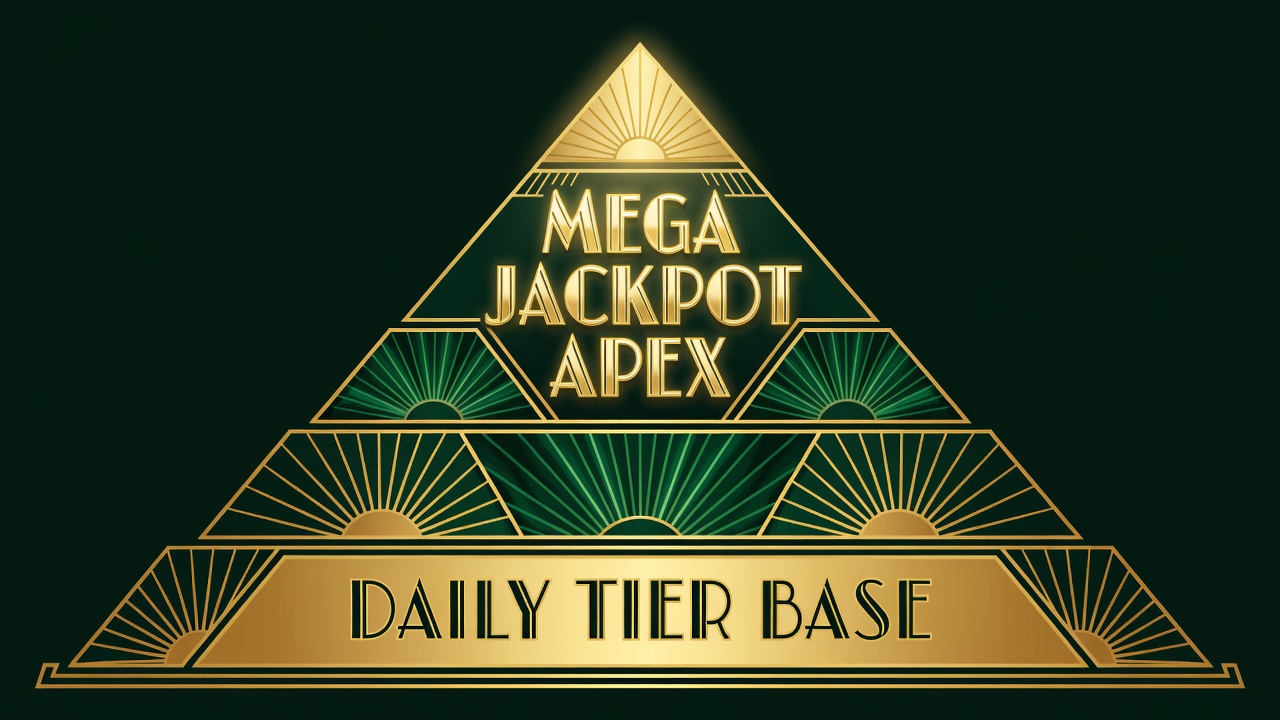
Daily jackpots reset each day at midnight or at a specified time. A player might see a daily jackpot at $2,000. That jackpot exists for twenty-four hours. If nobody wins it, it resets and starts accumulating again from a base amount (say, $500). The player knows the maximum exposure is one day. The jackpot is always achievable within a bounded timeframe.
Mega jackpots accumulate indefinitely until won. They can grow to $50,000, $100,000, or higher. They reset only when someone hits them, which might take months. The mega jackpot is larger but less frequent. It is the lottery ticket within the game.
The Design Philosophy
Daily jackpots reward frequency. A player might hit one in thirty days of play. The machine engineer is creating a regular positive reinforcement event. Players feel rewarded frequently. They keep returning, hoping to hit the daily prize.
Mega jackpots reward hope. A player might never hit the mega jackpot, but they can imagine hitting it. The possibility of a life-changing win keeps them in the machine. This is the "hope" dynamic that creates longer session durations and higher average bets.
From a revenue perspective: daily jackpots create retention (frequent small rewards bring players back). Mega jackpots create engagement (the dream of the mega prize keeps players in session). Sophisticated casinos offer both. Players can hit daily jackpots frequently, keeping them psychologically satisfied. They also see the mega jackpot accumulating, driving dream-based play.
The Network Effect
Daily jackpots are often standalone; they reset independently on each machine. Mega jackpots are networked; multiple machines feed into a single pot. This creates the exponential growth casinos want for mega prizes. When ten machines are contributing to a single mega pot, the pot grows ten times faster than daily pots on individual machines.
Networked mega jackpots create casino-wide behavior changes. Players migrate toward the machines with the highest mega jackpot, knowing the prize has been accumulating and might be "due." Casinos position these machines in high-traffic areas, using the accumulated jackpot as a traffic signal.
The Psychological Mechanism
Daily jackpots feel fair. You know they reset regularly. You know the maximum. You feel like your play is contributing to a reasonable pool. The daily reset creates a sense of fairness: everyone gets an equal shot at the reset daily pot.
Mega jackpots feel aspirational. They are the machine's promise of life-changing money. The player who hits a mega jackpot becomes legendary. Their story circulates. "I knew someone who won $50,000 on that machine." This narrative is immensely powerful for future players.
The Economic Reality
Both jackpot types are funded by the machine's house edge. A machine paying 96% RTP means 4% of money wagered goes to the house (including jackpots). Whether that 4% feeds a $2,000 daily pot or a $50,000 mega pot doesn't change the house's overall return; it changes only where the money accumulates.
Casino architects understand this distinction. They design the customer experience by choosing jackpot structures. Daily jackpots keep casual players in the game through frequent small wins. Mega jackpots keep dream players in the game through impossible hope. The best machines offer both.