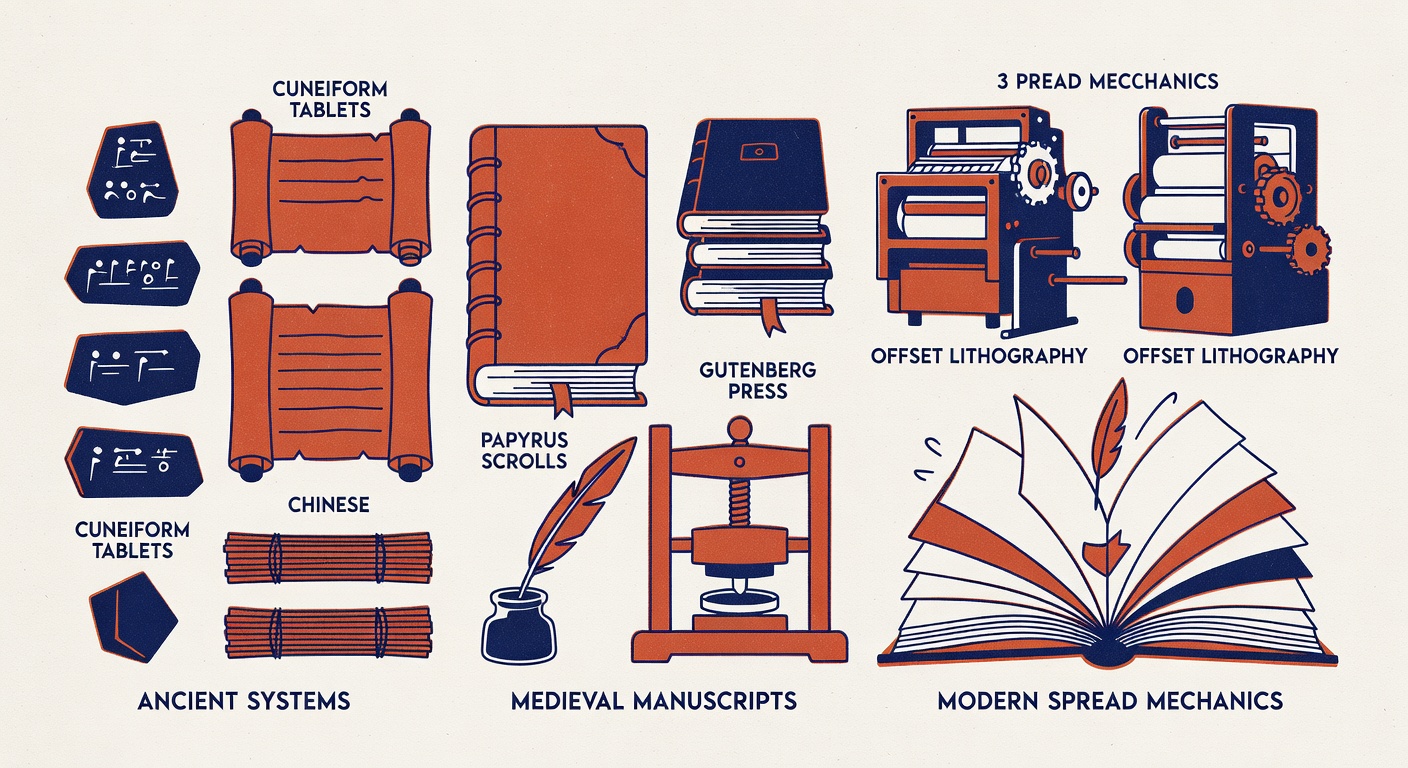
Bookmaking is older than the casinos. Romans had it. You want to know how long people have been trying to get rich off other people's bets? That old.
Basic idea: A bookmaker takes bets from two sides of a proposition. Side A and Side B. The book's job is to balance the money so they win regardless of outcome. Sounds simple. It's not.
Ancient Rome: Citizens betting on gladiator fights. A wealthy patron would offer odds on the outcome. If more money came in on the favorite, he'd adjust the odds to attract action on the underdog. The goal is always the same: balanced money.
Fast forward to London, 1700s. Turf accountants taking bets on horse racing. Same mechanism. Odds move based on where the money flows. If everyone bets on the favorite, the odds on the underdog get better to attract action on that side. By the time the race starts, ideally, you've got equal money on both sides. The race happens, one side wins, you pay the winners and keep the juice from the losers.
how the math works
A bookie doesn't care who wins. They care about juice. On a typical -110 line, you're risking $110 to win $100. That $10 spread on every $110 is the commission. On a balanced book, money comes in from both sides. Half the bets win, half lose. The losers' money covers the winners' payouts, and the $10 per $110 is the bookie's profit.
This is why you see line movement. More money comes in on the Chiefs at -110. The line moves to -115 to make it less attractive. Fewer people want to bet the Chiefs at -115. People start betting the opposite side at better odds. Eventually, the book is balanced again.
Modern sportsbooks (DraftKings, FanDuel, BetMGM, Caesars) do the same thing, just with technology. They have algorithms. The algorithms track where the money is flowing. They adjust odds instantly. The goal hasn't changed in 2,000 years: balance the action.
One difference: modern sportsbooks don't bet against their customers the way old-school bookies did. They use algorithms and diversification. But the mechanism is identical. They're taking bets, managing the risk, and keeping the juice.
the house edge
The house edge in sports betting is built into the line itself. That -110 spread means you're always at a disadvantage. You need to win 52.4% of your bets at -110 just to break even. Most bettors win 48% to 50%. That's why the house wins long-term.
A book that has bad action (lopsided money on one side, smart money on the other) needs to move the line more aggressively. The book is holding risk. They don't want to hold that risk because risk can blow them up. Sharp bettors (professional bettors with better information or models) will exploit lopsided odds. A sportsbook with bad action will lose money if they don't adjust fast enough.
the modern version
FanDuel operates like a turf accountant with a server farm. They set initial lines based on their models. Money comes in. They track where it's coming from (sharp action vs. public action). They adjust the line. They also have hedging mechanisms. If they've got too much liability on one side, they lay off money to another sportsbook, spreading the risk.
The innovation in modern sports betting is transparency. A Roman bookie or a London turf accountant could move the odds however they wanted. Nobody knew. Modern sportsbooks post lines. You can see the movement. You can shop around. That transparency changed the game, but the mechanism is the same.
One more thing: A bookie can't be a liar about odds. Regulated sportsbooks (ones licensed by a state gaming commission or a national regulator) have to post their actual odds. Unlicensed bookies? They can move the odds and tell you it moved. They can claim a bad beat never hit. Regulation creates honesty because there's oversight.
That's what separates a legal sportsbook from a street bookie: regulation and the fact that you can verify your bet on a public record.
The business is ancient. The mechanics are simple. The money is real. And the fundamental principle is unchanged: balance action, keep juice, don't get caught holding the risk.