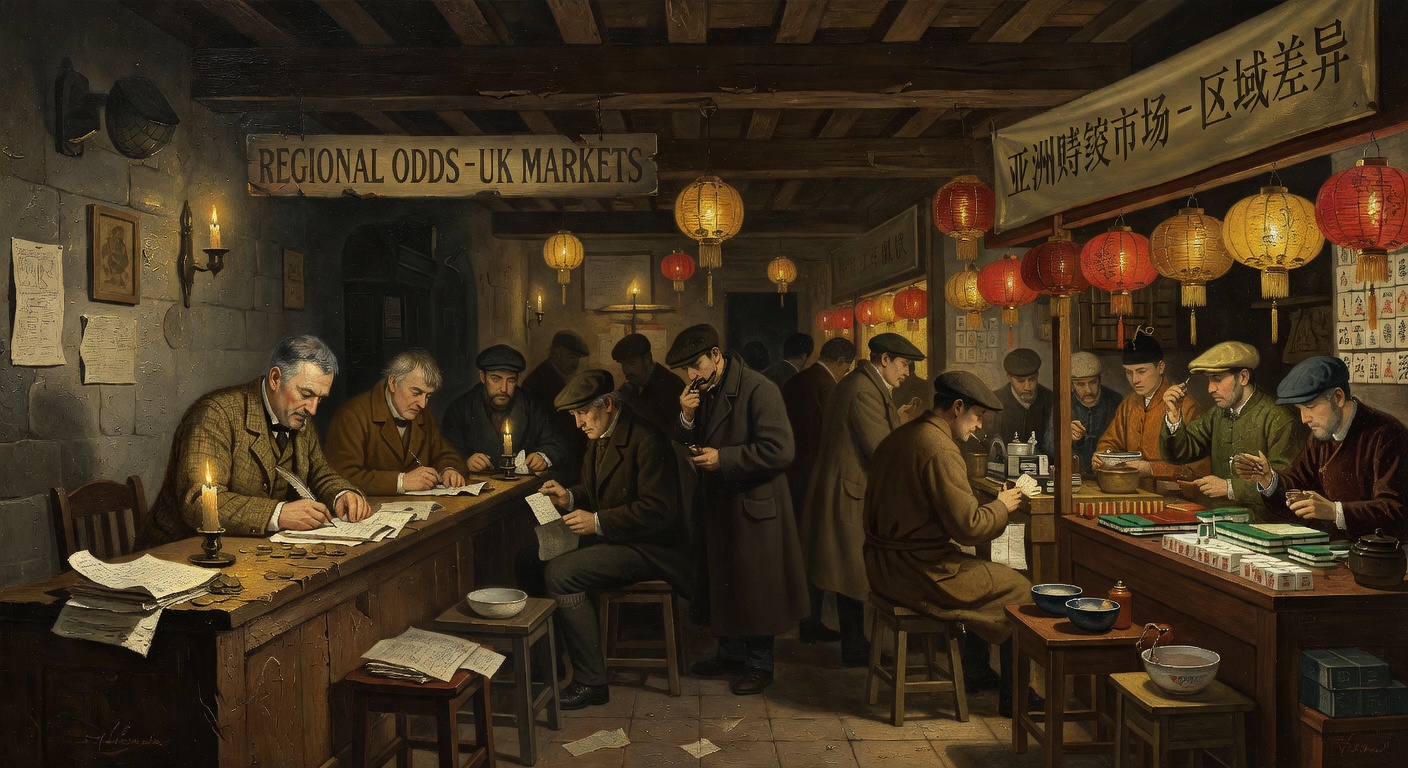
The United Kingdom. Betting is legal and part of the fabric. You walk past a William Hill or a Paddy Power and nobody thinks twice. The betting shops are as common as pubs. The culture does not stigmatize wagering. The government regulates it and takes a cut. That is how it works.
In the UK, the UKGC manages everything. Operators need a license. Players have protections. The minimum age is 18. There are affordability checks. If you lose heavily, they ask questions. The system assumes that betting is normal and that people should be protected within that normalcy.
Asia's Different Approach
Asia is different. In some countries (Singapore, Australia), betting is regulated and legal. In others (China, much of Southeast Asia), it is technically illegal but runs underground. The illegal operations have no oversight. If you bet and lose, you have no recourse. If the operator disappears, your money is gone. That is the real cost of prohibition. It does not stop betting. It just stops regulation.
Singapore licensed sports betting in 2004. The government recognized it was happening anyway. By making it legal, they could tax it and regulate it. Now Singbet operates legally with safeguards.
Australia is interesting. They banned online sports betting with most operators, but they allow wagering on horse racing and some sports through licensed channels. It is a middle ground. Not fully legal, not fully illegal.
The United States Patchwork
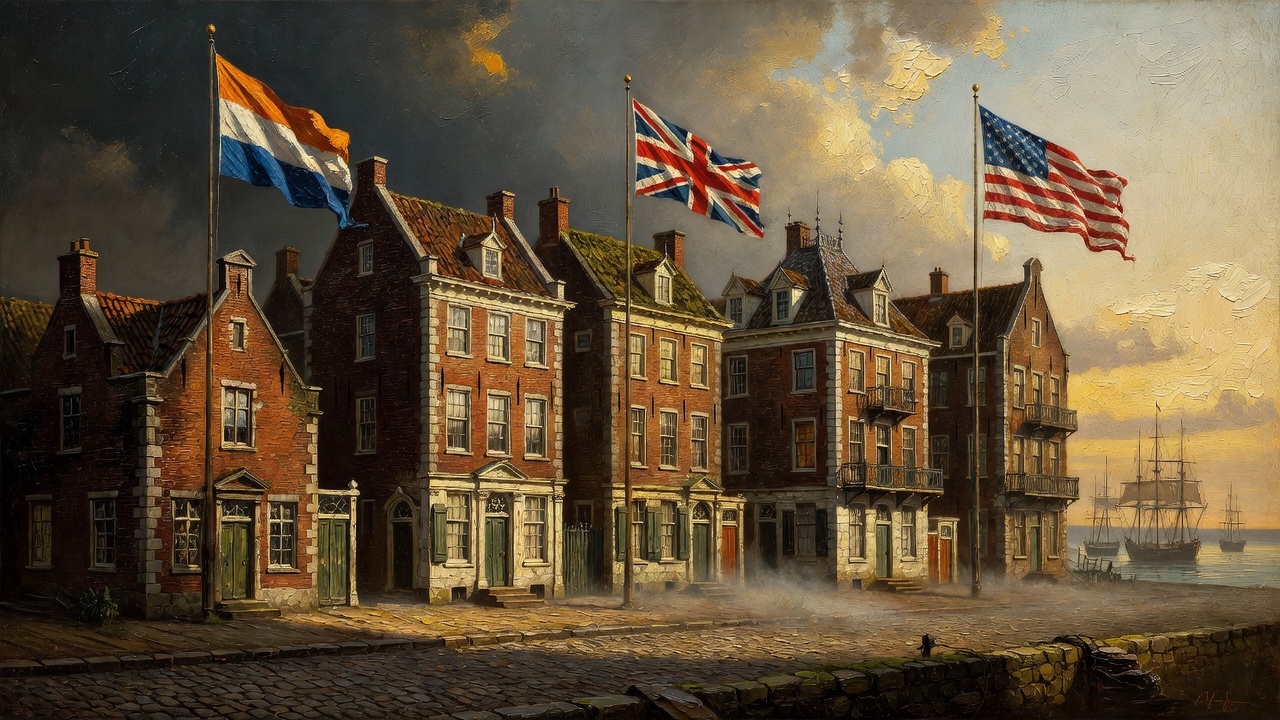
The United States is complicated for a reason. Gambling was banned federally in 1992 under PASPA, the Professional and Amateur Sports Protection Act. States got an exemption if they already had sports betting. Most did not. So for thirty years, the US had no legal sports betting outside Nevada.
Then in 2018, the Supreme Court struck down PASPA. Suddenly, states could legalize. They have been doing it ever since. Now you can legally bet in forty-something states through licensed operators. Each state has different rules. New Jersey allows online betting. Wyoming does not. New York has strong regulation. Some states have looser standards.
The problem in the US is fragmentation. You need a license from Nevada to operate in Nevada. A different license from New Jersey. A different one from Pennsylvania. An operator has to navigate fifty different regulatory schemes. That is expensive. It keeps the market consolidated with big players (DraftKings, FanDuel, BetMGM) who have the resources to handle it.
Smaller jurisdictions like Malta, Curaçao, and the Isle of Man have become haven licensing jurisdictions. An operator gets a license there, then markets to the world. The license means they follow some standards, but the standards are looser than the UKGC or Nevada.
The key insight here is discipline. Most players skip this step because it requires thinking before playing, not during playing. But that is exactly when decision-making works best. When you are calm and thinking clearly. Not when you are at the table watching money move. The separation of decision-making from play is where advantage comes from. Play clean. Think first.