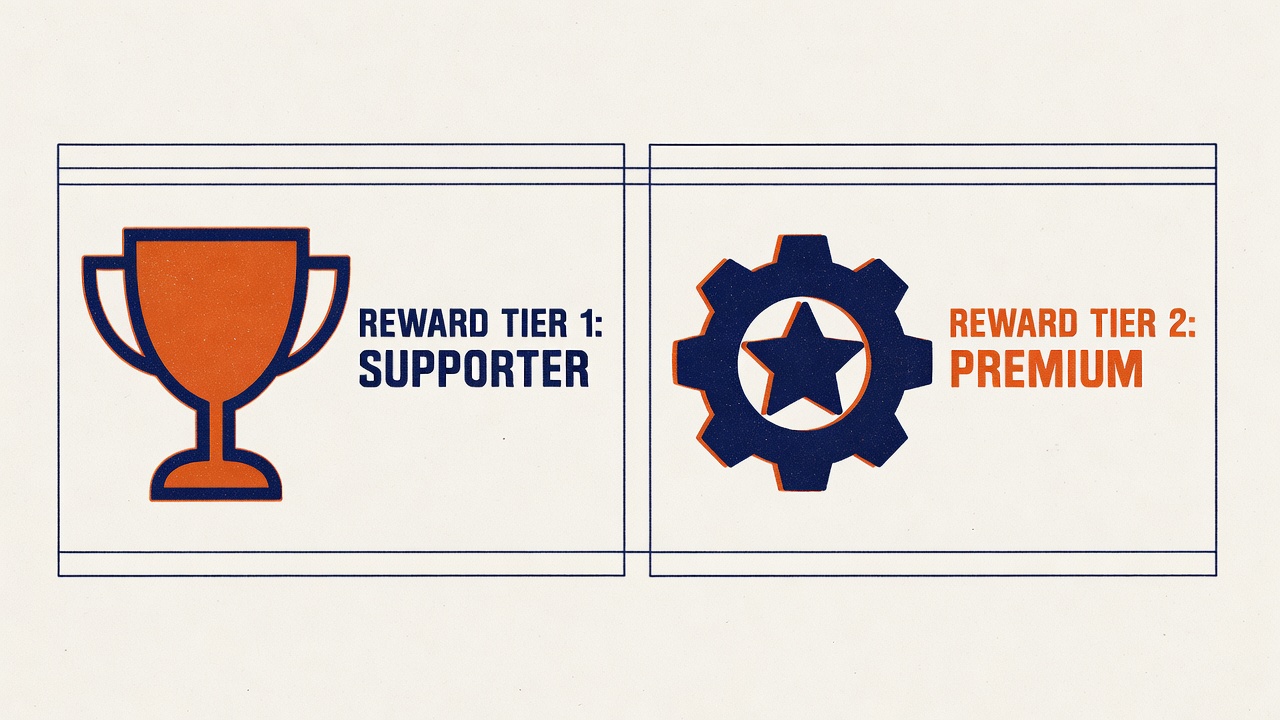
Two systems exist to reward returning players. On the surface, they appear identical. You play, you accumulate points, you redeem them. But the mechanics underneath differ dramatically, and those differences shape your behavior in ways the casino intends.
Loyalty Points: The Retention Hook
Loyalty points are accumulated through play volume. Every dollar wagered generates points. These points accrue to an account, and you can see your balance in real time. The redemption rate is published: 1,000 points might equal $10 in credit, or $5 in merchandise, or free play tokens. The player sees the conversion rate and understands the value.
The design choice here is transparency. You can calculate your expected return. Over 100 hours of play at $20 per hour, you accumulate 2,000 points, worth $20 in value. The house edge on your play might have cost you $800, but you recovered $20 through loyalty. It's a subsidy, visible and calculable.
Because loyalty points are transparent, they create what game designers call an "external reward loop." You play partly because you enjoy the game, but partly because you're accumulating visible progress toward a known reward. The points balance in your account becomes a psychological anchor. You stop when your points reach a "round" number. You keep playing to unlock the next tier. The game has turned into a progression system.
Comp Points: The Variable Reward
Comp (complementary) points are different. They are awarded unpredictably based on factors the player cannot fully observe. You might accumulate points faster on days when the casino is running promotions, or when a specific game is featured, or when you're playing during off-peak hours. The conversion rate is often opaque: you don't know exactly how many points your current play has generated.
When you redeem comps, they typically arrive as non-transferable goods: a meal at the casino restaurant, a night in the hotel, concert tickets, entry to events. You cannot convert comps to cash. You must spend them at the casino's businesses, where the casino captures additional margin.
The design choice here is opacity combined with restriction. You cannot calculate expected value. You cannot know when your comp threshold will be met. This creates what behavioral psychologists call "variable ratio reinforcement": you know you'll eventually get rewarded, but you don't know when. Variable ratio schedules are the most addictive reward structures in behavioral science. Slot machines use them. Loot boxes in video games use them. Casinos use them with comps.
The Loop Comparison
Loyalty creates a transparent, predictable reward schedule. Once you understand the conversion rate, you can calculate the subsidy value of continued play. This system works well for players of moderate bankroll who can do the math and decide if the subsidy justifies the expected loss.
Comps create a mysterious, variable reward schedule. You don't know what you're being rewarded for exactly. You don't know the value of what you'll receive. This system works well for the casino because it encourages continued play ("I'm close to the next comp tier, one more session") whilst never allowing the player to calculate if the system is actually worth participating in.
The Technical Implementation
Good game design applies the same principles here that video game developers learned decades ago. Loyalty points are like visible XP bars: predictable, satisfying to watch fill up, transparent. Comps are like loot boxes: mysterious, variable, surprisingly exciting even when the expected value is negative.
Which Should You Care About
If a casino offers loyalty points, you can calculate the break-even point. If the points subsidy exceeds half your expected losses, the program is value-positive for you. Play that system, get the points, cash out when you hit a target.
If a casino uses comps, you cannot calculate expected value. You are gambling on top of gambling: placing bets in hopes of random reward allocation. The system is designed to keep you in the building, exploring offers, finding reasons to stick around. If you must gamble, choose loyalty over comps. At least then you know what you're paying for.