It was a Saturday afternoon when Sarah noticed the notifications. Her cryptocurrency wallet, connected to her gambling account, showed a withdrawal she did not authorize. $50,000 gone. Then another. Then another. Five transactions in rapid succession. Four hundred thousand dollars in ten minutes.
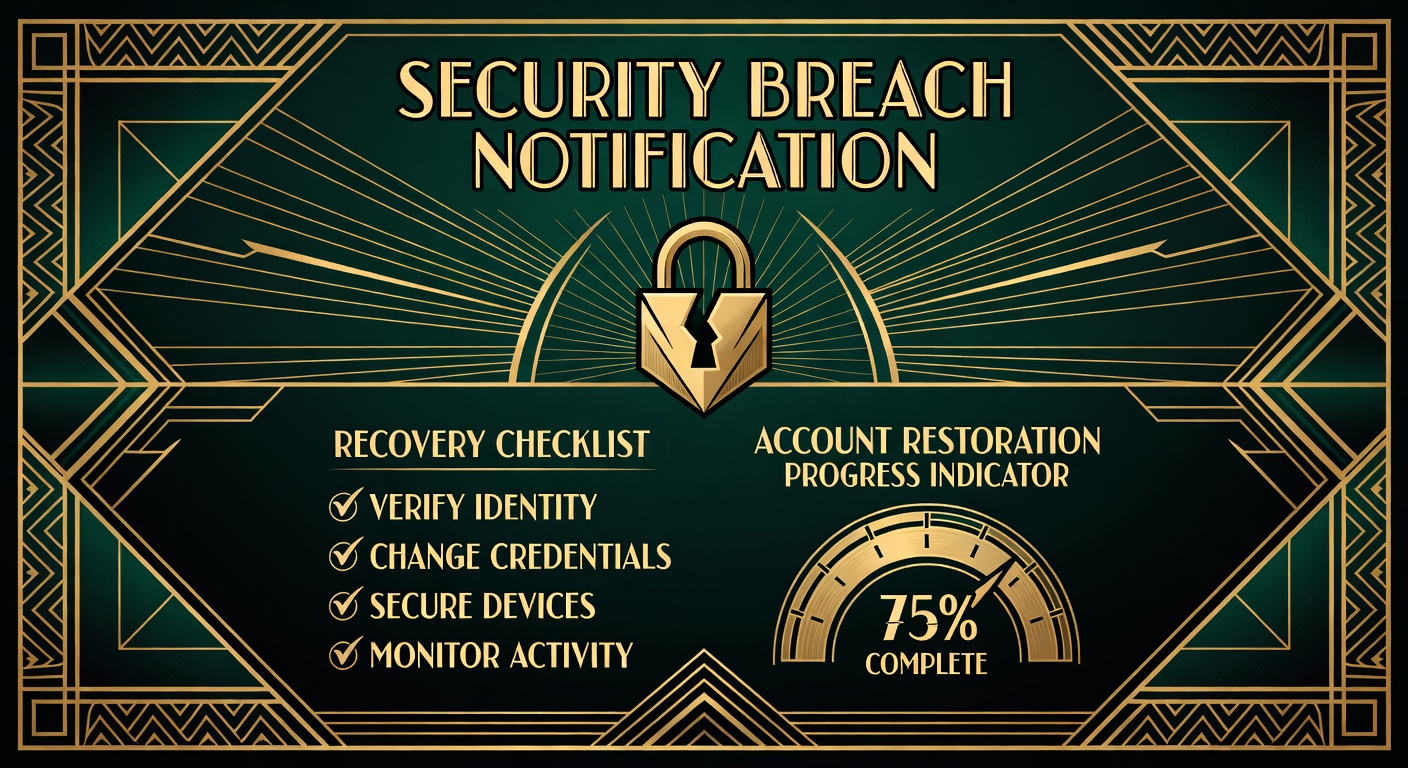
She immediately tried to log in. Could not. Her password was changed. Her two-factor authentication was disabled. The account was not hers anymore.
She called the gambling platform. It was a crypto-native site, somewhat obscure, definitely lower-tier in terms of regulation. The customer service representative told her the situation was her fault. She had been compromised. They could do nothing.
How She Won
But here is where something unusual happened. Sarah had documentation. She had her bank statements showing the cryptocurrency purchase. She had the wallet address that had received the funds. She had everything. She filed a complaint with the cryptocurrency exchange where the stolen funds had been sent to withdraw to fiat.
The exchange, regulated in a major jurisdiction, saw a mass of stolen funds flowing through. They flagged the account receiving the stolen money. They froze it. They contacted law enforcement in that jurisdiction.
Simultaneously, Sarah went public. She posted on Reddit. She reached out to gambling watchdog groups. She made noise. The gambling platform suddenly cared. They could see the regulatory scrutiny incoming. A frozen account receiving stolen funds at a major exchange meant law enforcement was involved. That was bad for business.
The platform offered a deal. They would recover her account. They would restore her funds (not the full $400,000, but they would restore what they could). In exchange, she would sign an NDA preventing her from discussing the details publicly.
She agreed. Within a week, her account was restored. Not the full $400,000, but $350,000 of it. The platform absorbed the loss. It was cheaper than the regulatory and legal headache of having stolen funds flowing through their systems.
The Lessons
What Sarah learned through this nightmare is that cryptocurrency gambling platforms have almost no insurance for account takeovers. If your account is compromised and the thief withdraws, the money is gone. The platform might help if there is public pressure and regulatory risk, but they have no obligation to do so.
The lesson is multi-part. First: biometric login or hardware security keys reduce the risk of compromise significantly. Second: withdrawal limits help. If the platform had a daily withdrawal limit of $10,000, the thief would have been limited. Third: making noise matters. Sarah's public complaint elevated this from a customer service issue to a regulatory issue. That changed the platform's calculus.
The key insight here is discipline. Most players skip this step because it requires thinking before playing, not during playing. But that is exactly when decision-making works best. When you are calm and thinking clearly. Not when you are at the table watching money move. The separation of decision-making from play is where advantage comes from. Play clean. Think first.
This applies regardless of the specific game or the specific regulator. The principles are universal.