The high-limit room at the Desert Inn, March 1999. The air is thick with cigarette smoke and the mineral smell of old carpet. A woman sits at a Bally's Megabucks machine, near the corner where the whale baccarat tables are visible through the window. She has been playing for hours. Not frantically. Methodically. Inserting five-dollar coins, watching the reels, inserting more coins. Her name is Johanna Huendl. She is forty years old, a native of Las Vegas.
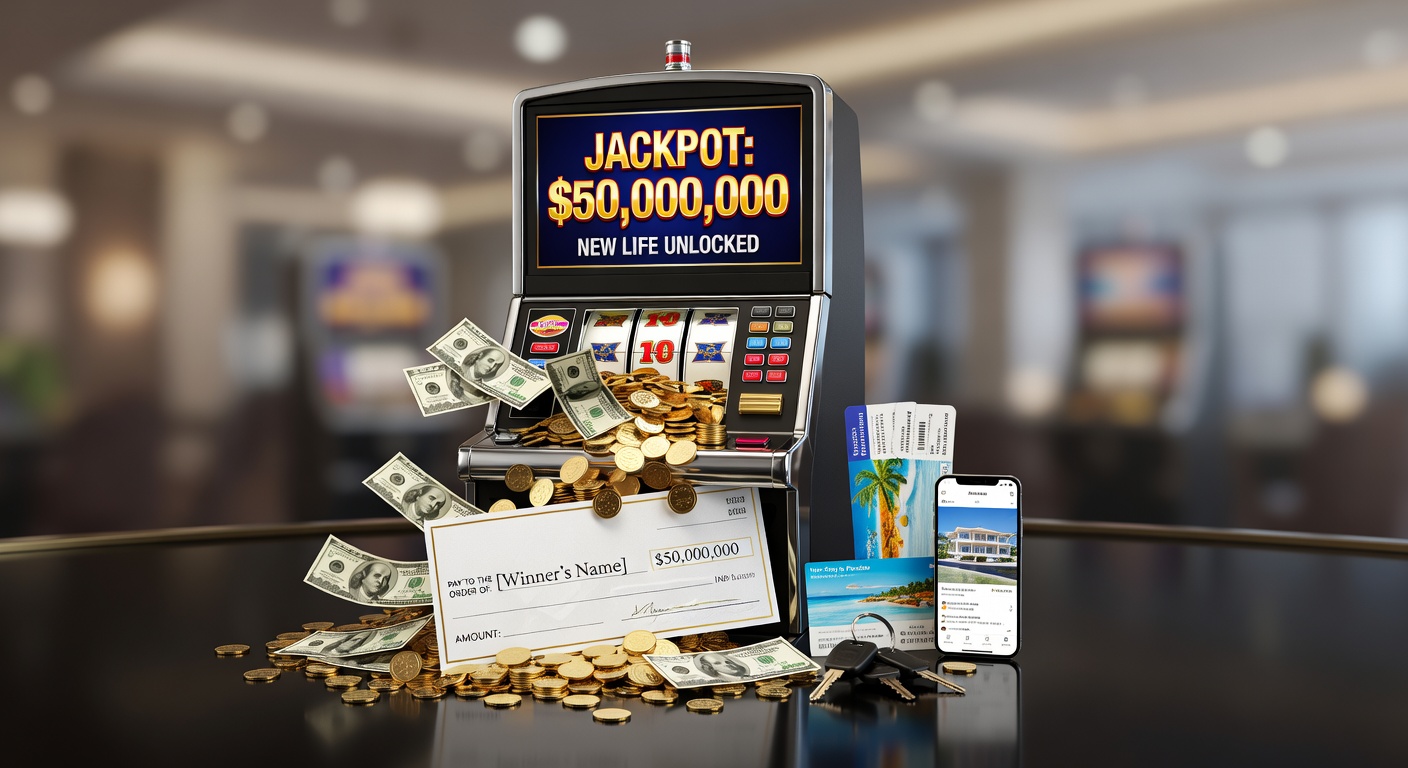
Megabucks is not a local machine. It is networked across casinos in Nevada. Every casino with a Megabucks machine feeds a portion of each bet into a shared progressive jackpot. The base jackpot starts at $10 million. When nobody wins, the jackpot climbs. By March 1999, it has climbed to over $22 million.
Huendl places another five-dollar bet. She pulls the handle (this was before video screens replaced handles on most machines). The reels spin. The mechanical sounds fill the room. Three Megabucks symbols line up. The machine erupts: bells, sirens, the sound of coins cascading (though Megabucks pays via voucher, not coins).
The Moment
When a Megabucks jackpot hits, the casino switches into a protocol. Slot technicians verify the machine. Security is called. Management is notified. The payout is confirmed. Paperwork is generated.
Huendl has won $22.64 million. The largest slot jackpot in Nevada history at that time.
I have stood in the pit during whale baccarat sessions where a single hand moved $500,000. I have watched players place $10,000 on a single squeeze. But the machines are different. The machines do not know who is playing. They do not care. The RNG (random number generator) makes its determination every millisecond, indifferent to the player, to the casino, to fate. When three Megabucks symbols line up, mathematics has spoken.
Huendl's win was legitimate. The machine was verified. The payout was correct. The Nevada Gaming Commission audited the transaction. Everything was in order.
What Happened Next
Huendl took the lump sum option, which meant approximately $15 million after federal and state taxes. She was a housekeeping worker at another casino, earning an hourly wage. She had been playing the machines for years, the way many local residents do. Not an alcoholic gambler. Not a desperate person. Just someone who came to the high-limit room on her day off.
After winning, Huendl lived quietly. She did not pursue a public profile. She did not spend the money recklessly. Within a few years, no news outlets were tracking her. She became a private person with a large account.
The Desert Inn itself closed in 2000. It was demolished in 2007. Megabucks machines became less common as video slots took over. By 2020, Megabucks was essentially dead in Nevada.
The Machinery
Bally's Megabucks machines were electromechanical. The reels were physical objects, spinning at 50 rotations per second. When you pulled the handle, a motor drove the reels and a mechanical brake stopped them at positions determined by the RNG circuit. The odds of three Megabucks symbols were roughly 1 in 50 million, which matched the math of the progressive jackpot.
I have worked on these machines. The engineering is sound. The RNG is sealed and audited. There is no way to predict the outcome. Probability operates independently of the player's wishes, skill, or luck.
Huendl did not beat the machine. She did not crack a code. The machine's algorithm selected her at the exact moment her bet was active. That was all. No special technique existed. No secret existed. She played, the RNG determined the outcome, and she won.
Why It Matters
Huendl's win is the reason people play slot machines. The hope that an ordinary moment, an ordinary pull of the handle, will align with extreme luck. The odds are harsh: 1 in 50 million. But the potential payout is enormous. A five-dollar bet becomes $22 million. That mathematics is the entire proposition.
Casinos understand this. The Megabucks system was designed to create jackpots large enough to generate headlines, attract players, and fill machines across the state. Huendl's win was the marketing the system was built for.
Thirty years later, I think about her sometimes. A housekeeping worker who became a millionaire because of a machine. The math did not fail her. For once, the RNG was generous. The machine spun, the symbols aligned, and probability became biography.