I spent three years running a poker room, observing patterns, watching how people used the tools we'd given them. Deposit limits and loss limits looked like identical controls. They were not. They controlled fundamentally different impulses.
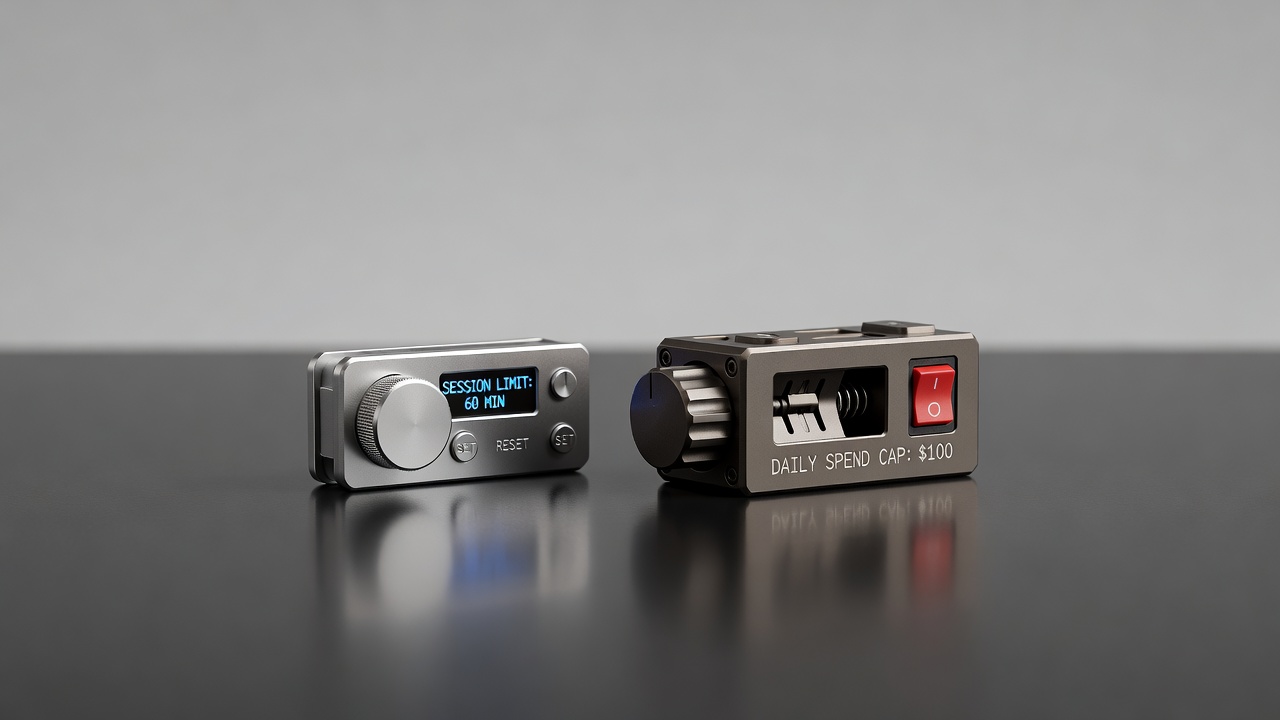
A deposit limit caps how much you can move into your account in a time period. You set a limit: $500 per week. The casino's system enforces it. Next Monday, you cannot deposit more than $500 total, regardless of how many transactions you attempt. The limit persists until you change it (usually after a cooling-off period). This protects against rapid injection of new money.
A loss limit caps how much you can lose. You set a limit: if your account drops $1,000, the casino closes your account until the limit resets. This is different. You cannot lose beyond the limit, even if you want to. The system physically prevents access.
In practice, players use them for different scenarios. A deposit limit is chosen by someone who says: "I know I'll spend money; I want to control how much flows in." A loss limit is chosen by someone who says: "I'm worried I'll lose more than I intend; I need external control."
The Psychological Difference
Deposit limits require discipline. You set the limit, but you can manually override it by requesting the casino remove it. Most casinos require a seven-day waiting period, during which you must confirm the removal. This cooling-off period is intentional. It creates a moment of friction. Many players request removal in the heat of the moment, then change their minds during the waiting period.
Loss limits are harder to override. Typically, they require full account suspension. You lose all access until the limit resets. This is harsher, less flexible, more absolute.
From observation: deposit limit users are generally trying to manage their bankroll. They want to control input, trusting themselves to manage output. Loss limit users are trying to prevent catastrophic loss. They've experienced the feeling of losing more than they intended and they want an absolute barrier.
The Regulatory Framework
The UKGC requires that casinos offer both tools and that the cooling-off period for deposit limit removal is at least seven days. Malta Gaming Authority has similar requirements. These are not industry best practices; they are legal mandates. The reason: regulators recognize that these tools actually work for some players, and removing barriers to responsible gambling controls is harmful.
What Each Controls
Deposit limits control your starting position. You cannot begin the day with more than a certain amount. This prevents the scenario where you wake up and deposit $5,000 because you feel lucky. It prevents rapid escalation of stakes during winning streaks.
Loss limits control your ending position. You cannot finish the day more than a certain amount worse than you started. This prevents the catastrophic loss scenario. You sit down with $500, lose it, lose another $500, and end the session $1,000 down. A $1,000 loss limit stops you at the first limit breach.
The Honest Assessment
Both tools are effective for reducing harm, but they address different player types. If you're the type to impulsively reload, deposit limits matter. If you're the type to chase losses in a single session, loss limits matter. Most problem gamblers need both.
What they don't do: they don't address the underlying decision to gamble. A player subject to a deposit limit still wants to gamble. They're just limited in their input velocity. When the limit resets, the desire to gamble remains.
From three years of observation: the players who actually stopped problematic gambling did so through self-exclusion, not through limits. Limits reduced harm. Self-exclusion prevented the behavior entirely. But limits are easier for players to implement initially, which is why regulators push them. It's a harm-reduction measure, not a cure.